Sample Learning Objectives
History is more than just a series of dates—it is a tool for building empathy, understanding identity, and fostering critical thinking. At Expanding Horizons, we believe that inclusive history belongs in every classroom and community space.
To support educators, student groups, and equity, diversity, and inclusion practitioners, we have developed a comprehensive pedagogical framework for our traveling exhibits. These resources are designed to help you integrate LGBTQ+ history into your curriculum with ease, meeting high school social studies standards while remaining accessible to all learners.
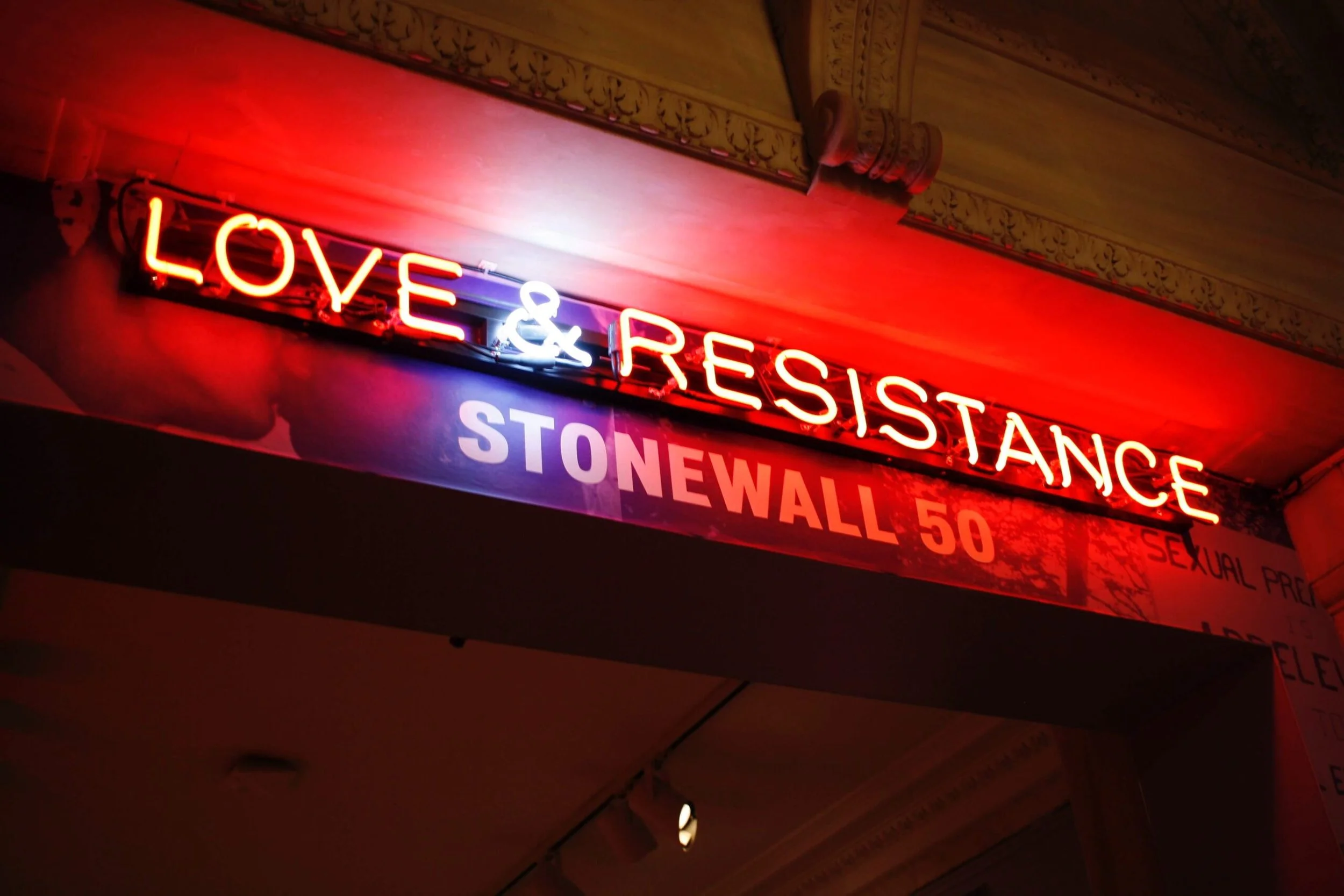
Stonweall Inn
-
Identify the key dates, locations, and figures central to the 1969 Stonewall uprising.
-
Describe the social and legal conditions that made police raids on gay bars a common occurrence in the 1960s.
-
Illustrate how the events at the Stonewall Inn led directly to the establishment of the first Pride marches.
-
Examine the personal narratives of those present to determine how diverse identities (race, class, and gender) shaped the resistance.
-
Critique the evolution of the "Stonewall" narrative, assessing how its legacy is used to address modern LGBTQ+ civil rights issues.
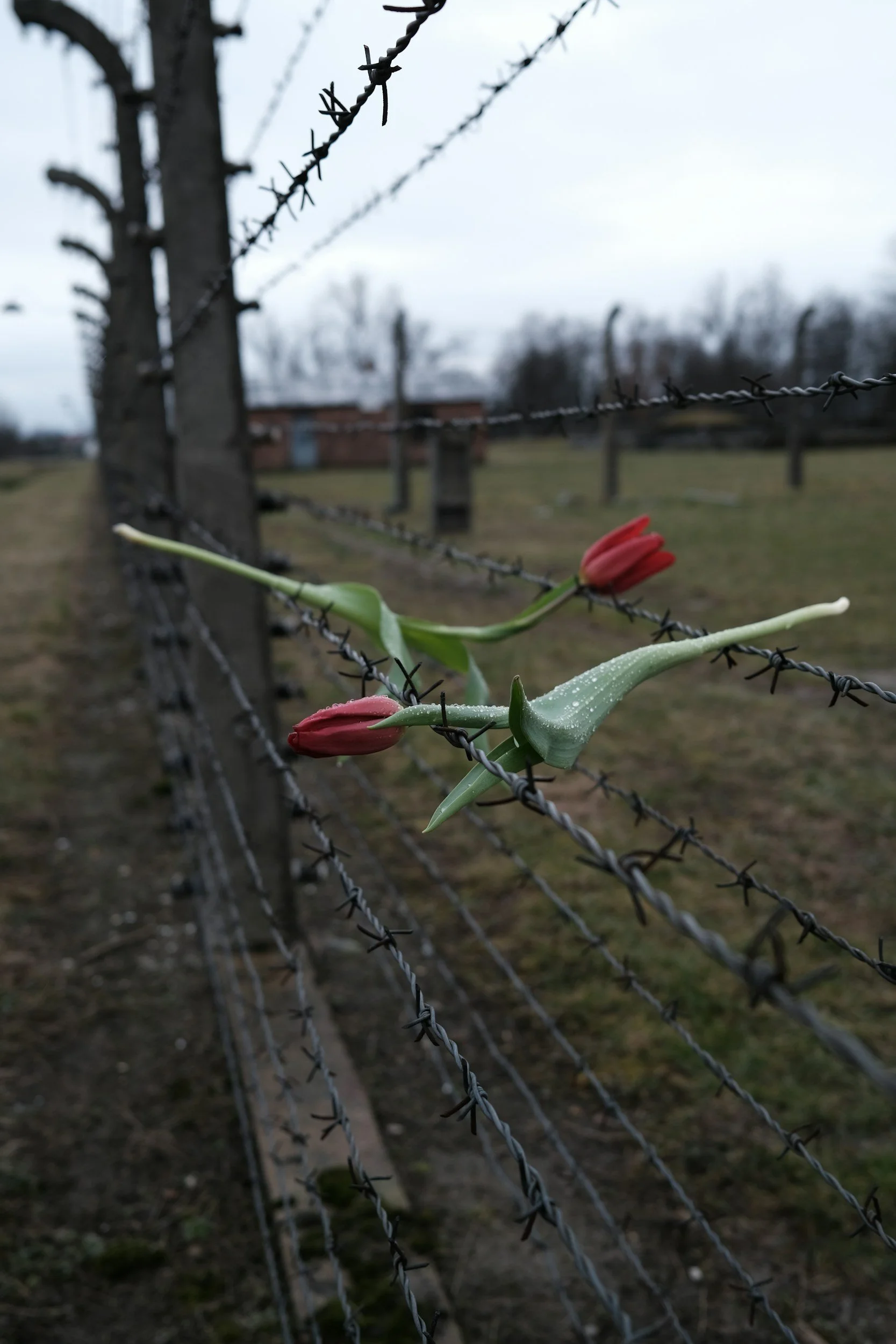
Blossom & Wilt
-
Define the role of the Institute for Sexual Science and identify Magnus Hirschfeld’s contributions to early queer identity.
-
Summarize how the political climate of the Weimar Republic allowed for a "blossoming" of LGBTQ+ culture before the rise of fascism.
-
Use historical evidence to show how the Nazi regime's persecution of LGBTQ+ people fits into the broader context of the Holocaust.
-
Deconstruct the long-term impact that the destruction of LGBTQ+ research libraries had on global queer history.
-
Evaluate the relationship between state power and individual identity, judging the ethics of state-sponsored scientific "classification."
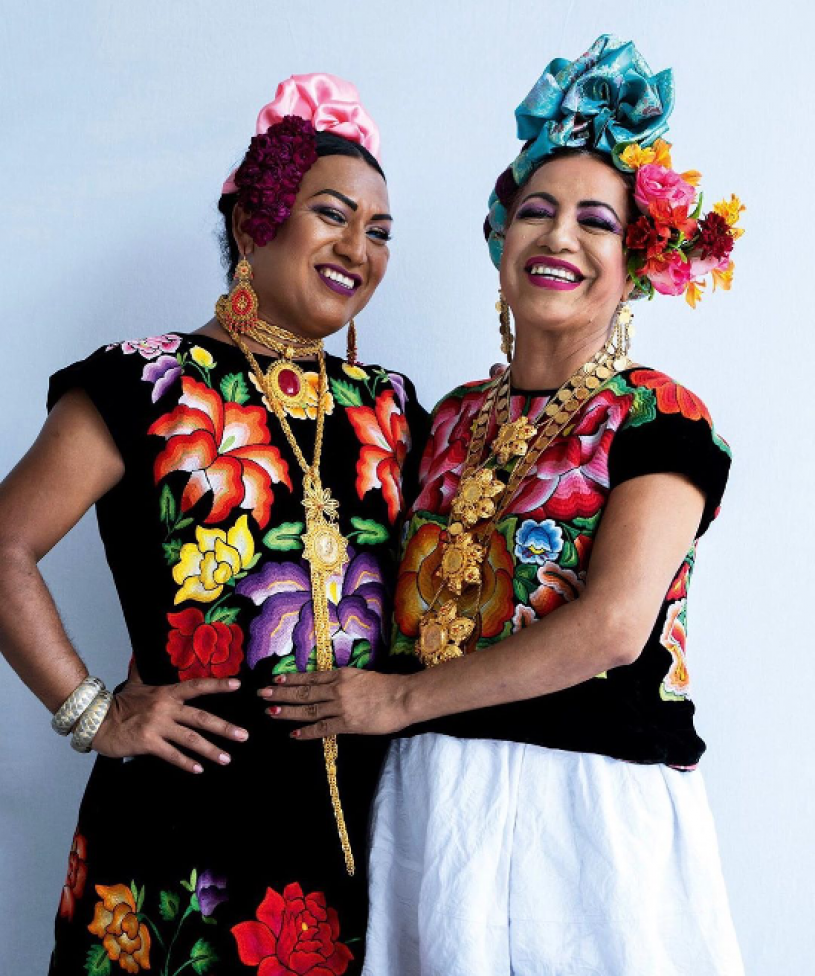
Decolonizing Queerness
-
Identify terms used by various indigenous cultures to describe diverse gender and sexual identities, such as Two-Spirit.
-
Explain how colonial systems imposed Western gender binaries on non-Western cultures.
-
Apply the concept of "decolonization" to modern understandings of gender and sexuality in local communities.
-
Distinguish between indigenous knowledge systems and the Western scientific models often found in textbooks.
-
Appraise the role of museums and educational institutions in either perpetuating colonial homophobia or working to undo its harm.
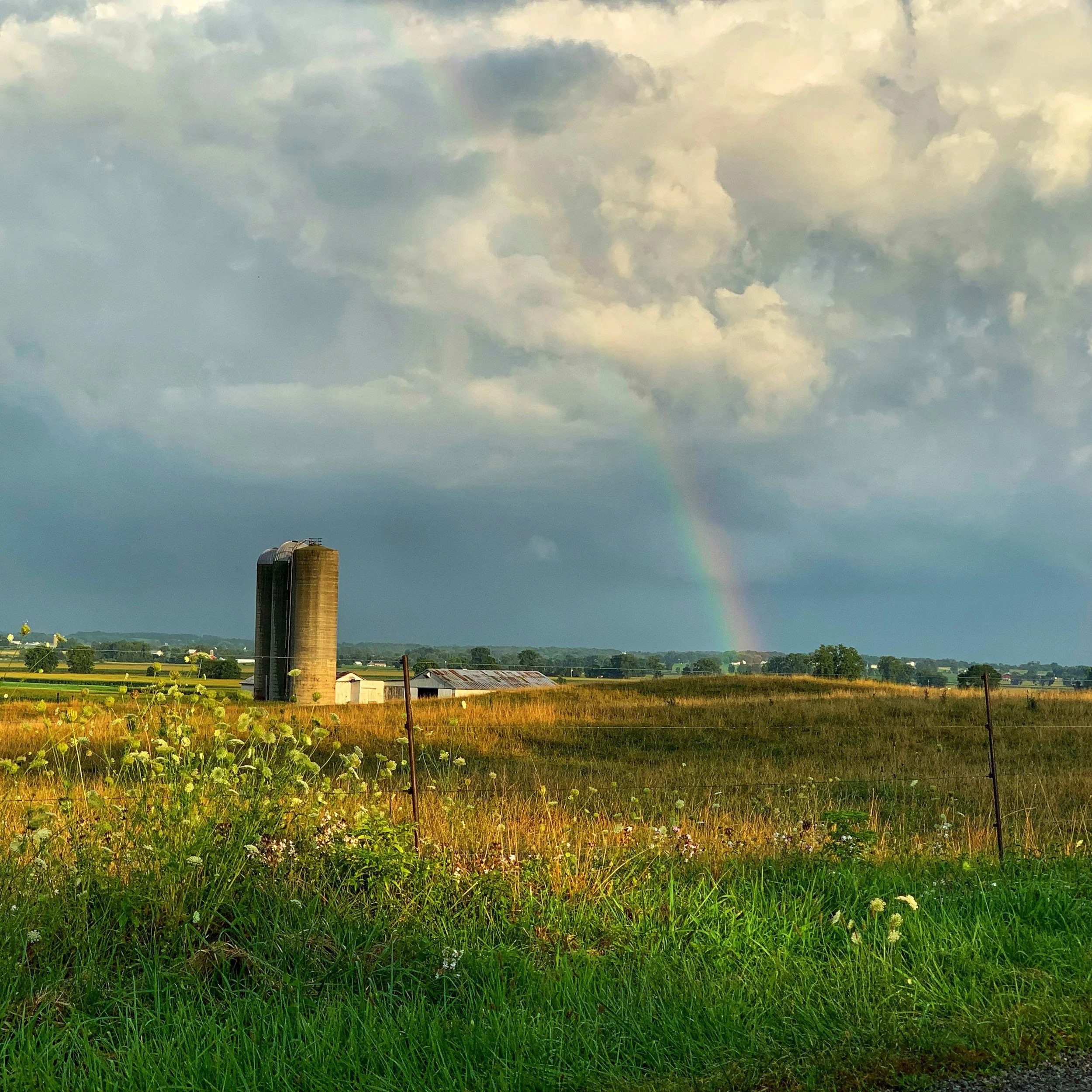
Flyover Country
-
List specific "firsts" or milestones of LGBTQ+ activism that occurred in Midwestern cities like Chicago or Milwaukee.
-
Describe the unique challenges faced by LGBTQ+ people living in rural versus urban areas of the Midwest.
-
Relate local Midwestern activism efforts to the broader, national LGBTQ+ rights movement.
-
Contrast the traditional "coastal" narrative of queer history with the lived experiences documented in this regional exhibit.
-
Evaluate the effectiveness of local, community-based action in securing civil rights compared to national-level advocacy.

Through Science to Justice
-
Identify historical and contemporary LGBTQ+ scientists and their specific contributions to STEM fields.
-
Explain the historical barriers that have led to the minimization or exclusion of queer scientists from the "traditional" scientific canon.
-
Demonstrate how diverse perspectives and backgrounds can lead to new types of scientific questions and innovations.
-
Investigate the power dynamics that decide which scientific discoveries are remembered and which individuals receive credit.
-
Argue the importance of visibility and "belonging" in STEM education, assessing its impact on future scientific progress.