
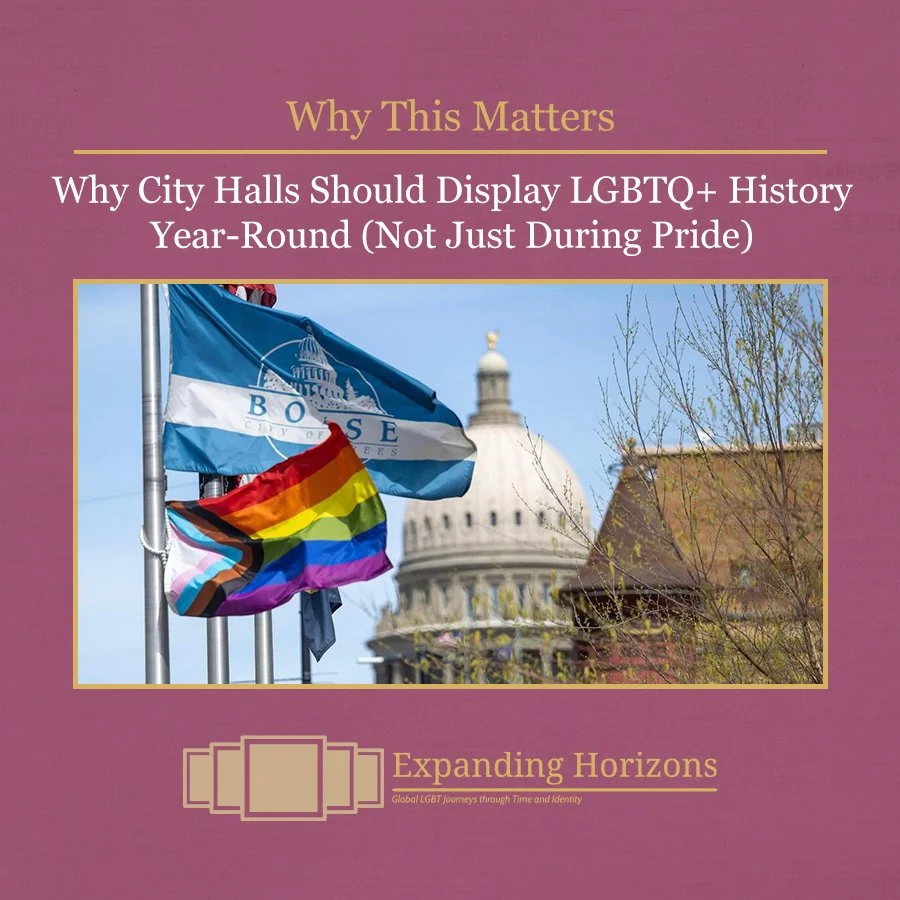
Why City Halls Should Display LGBTQ+ History Year-Round (Not Just During Pride)
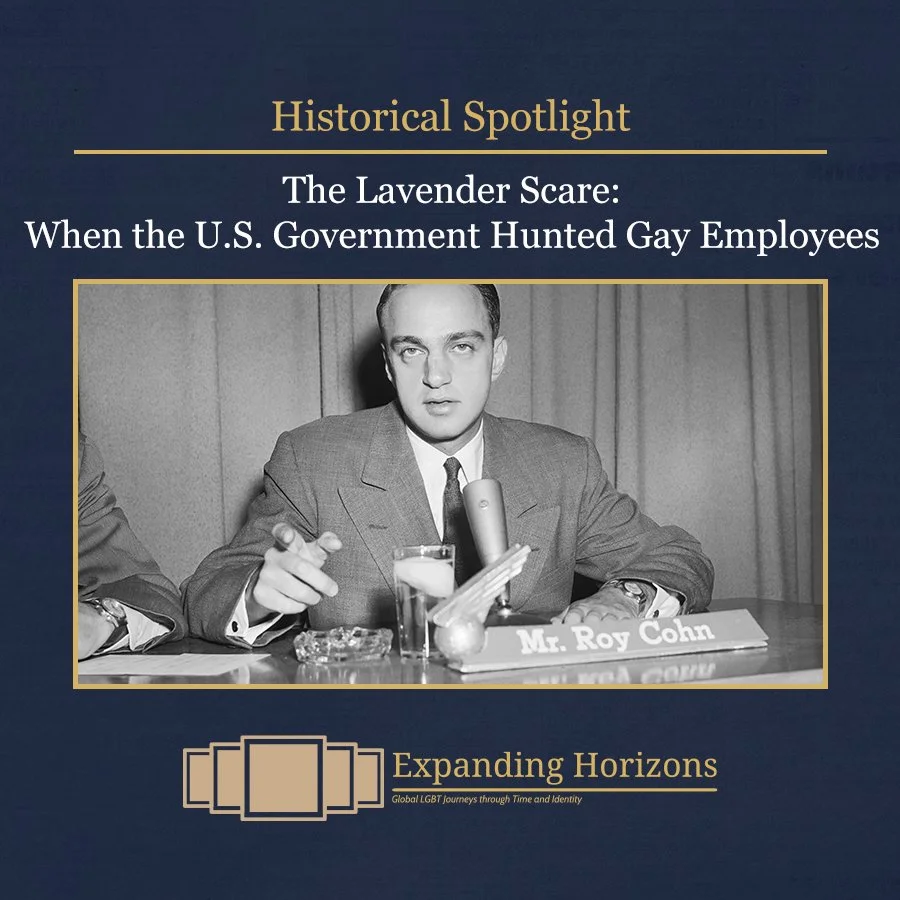
The Lavender Scare: When the U.S. Government Hunted Gay Employees
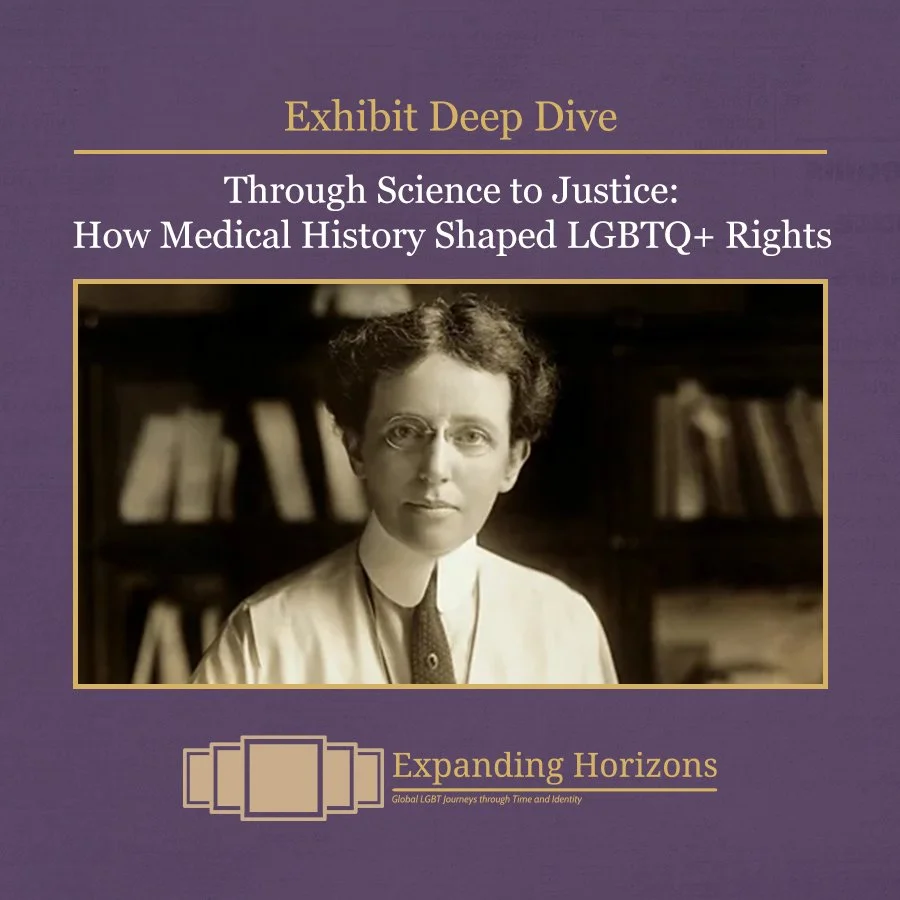
Through Science to Justice: How Medical History Shaped LGBTQ+ Rights
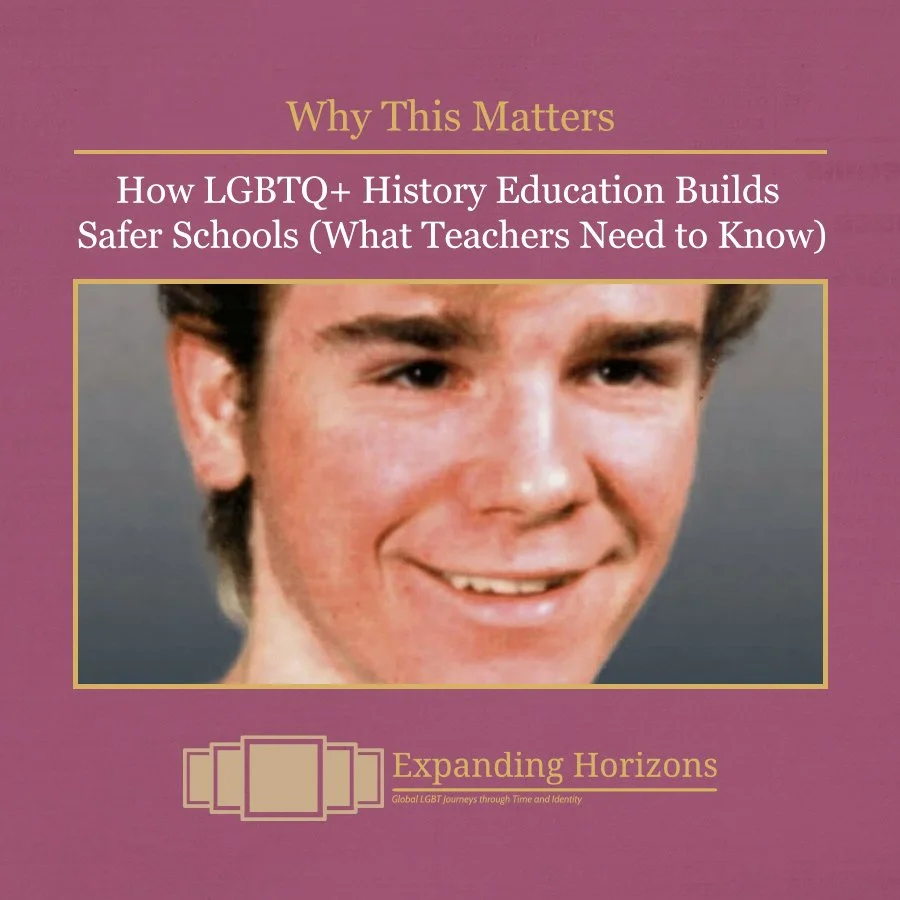
How LGBTQ+ History Education Builds Safer Schools (What Teachers Need to Know)
When students learn that the protections Jamie Nabozny eventually won were not handed down from on high but fought for, case by case, by ordinary people who had every reason to give up, something shifts. LGBTQ+ students see themselves situated in a real, documented lineage rather than feeling like an anomaly their school doesn't know how to discuss.
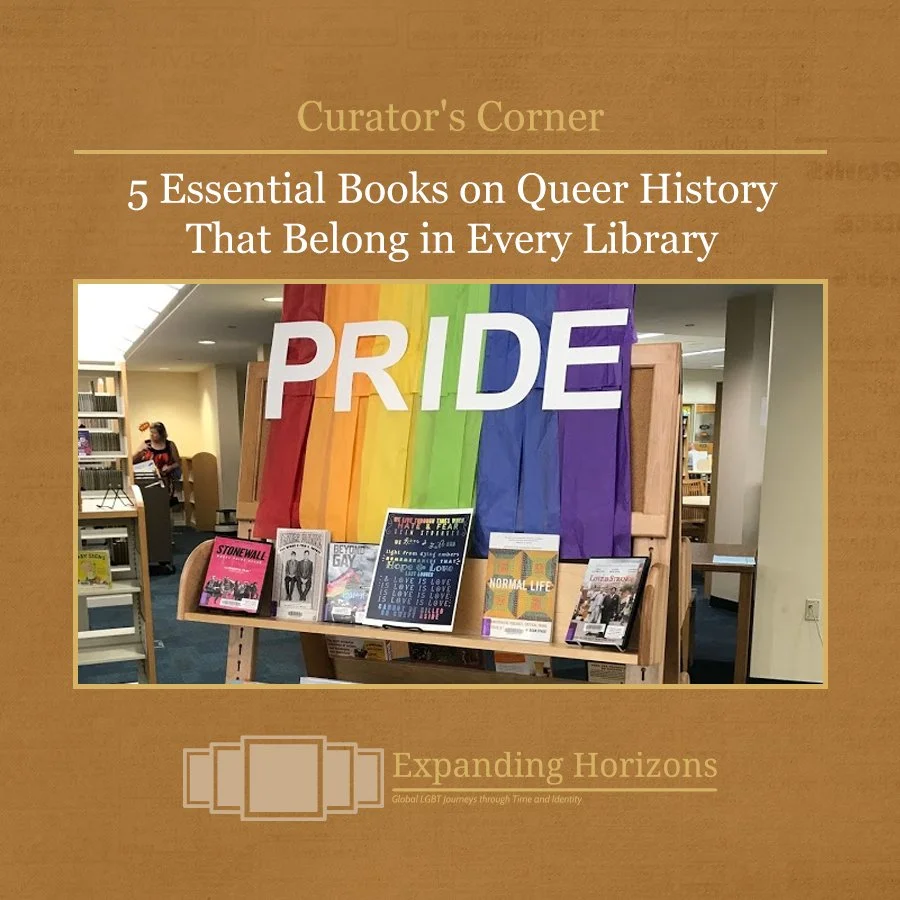
5 Essential Books on Queer History That Belong in Every Library
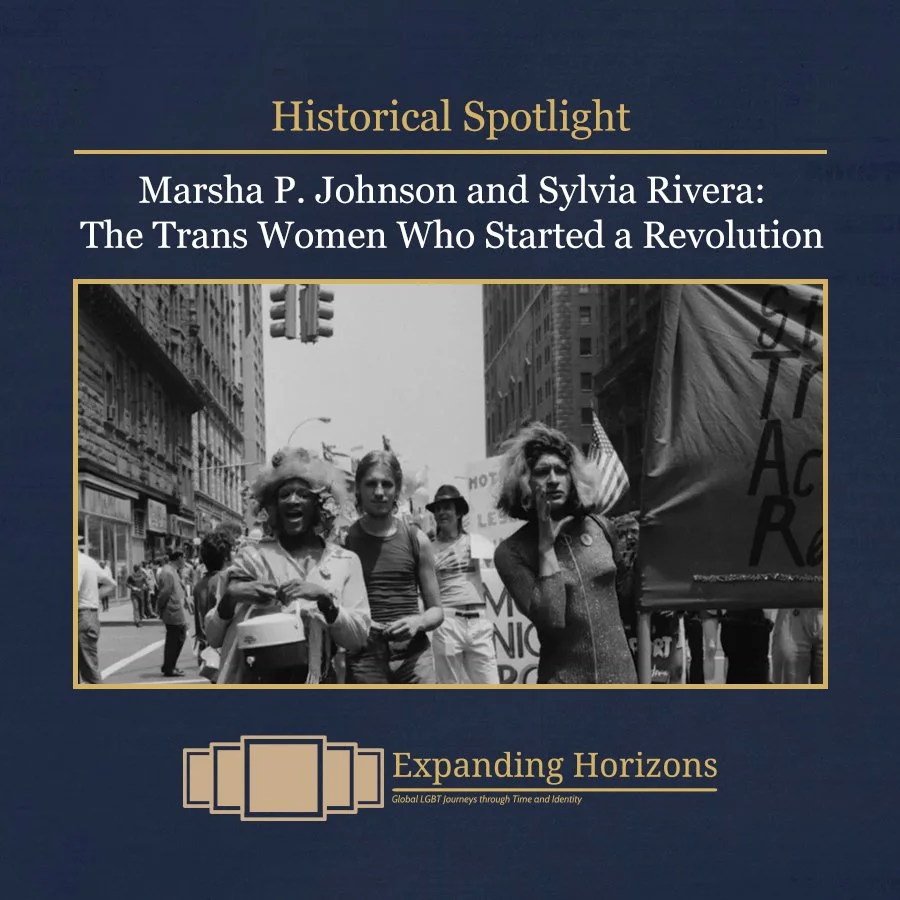
Marsha P. Johnson and Sylvia Rivera: The Trans Women Who Started a Revolution
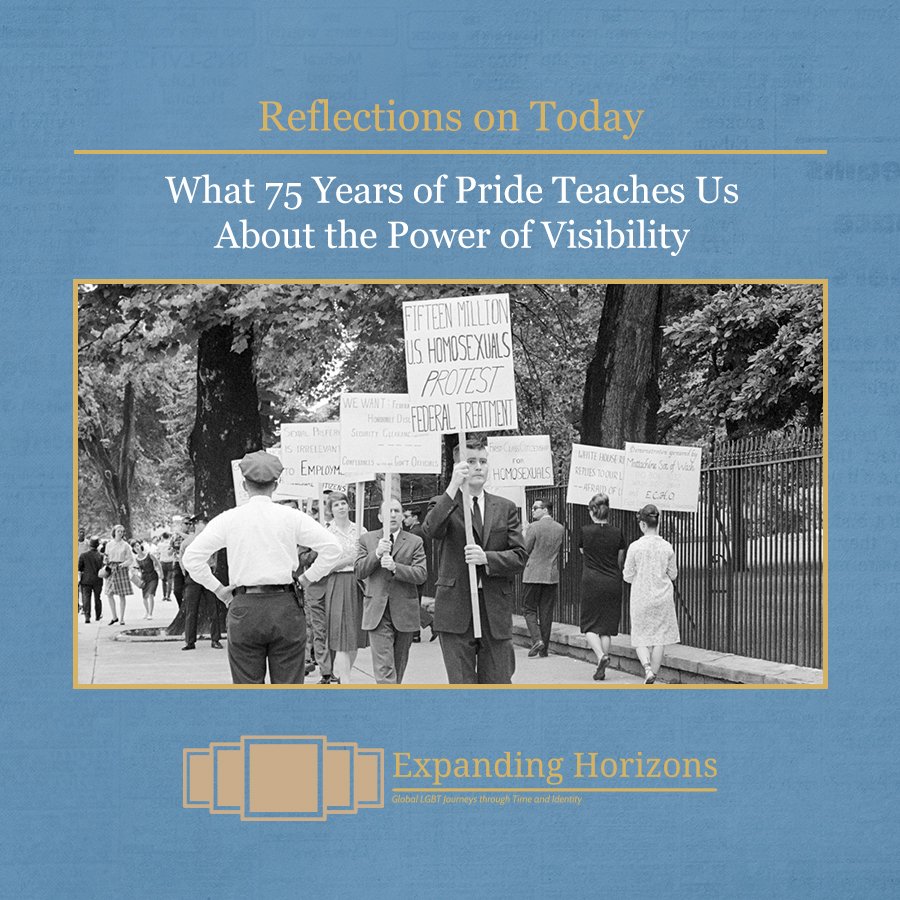
What 75 Years of Pride Teaches Us About the Power of Visibility
Every June, the debate resurfaces: Is Pride a protest or a celebration? Seventy-five years of LGBTQ+ history suggest that's the wrong question. From the Mattachine Society to ACT UP, the AIDS Memorial Quilt, and today's advocacy efforts, lasting change has never come from a single strategy. It emerges from an ecosystem of organizations, activists, artists, educators, and communities working together. Visibility isn't a destination—it's a practice that creates the conditions for the next person to be seen.
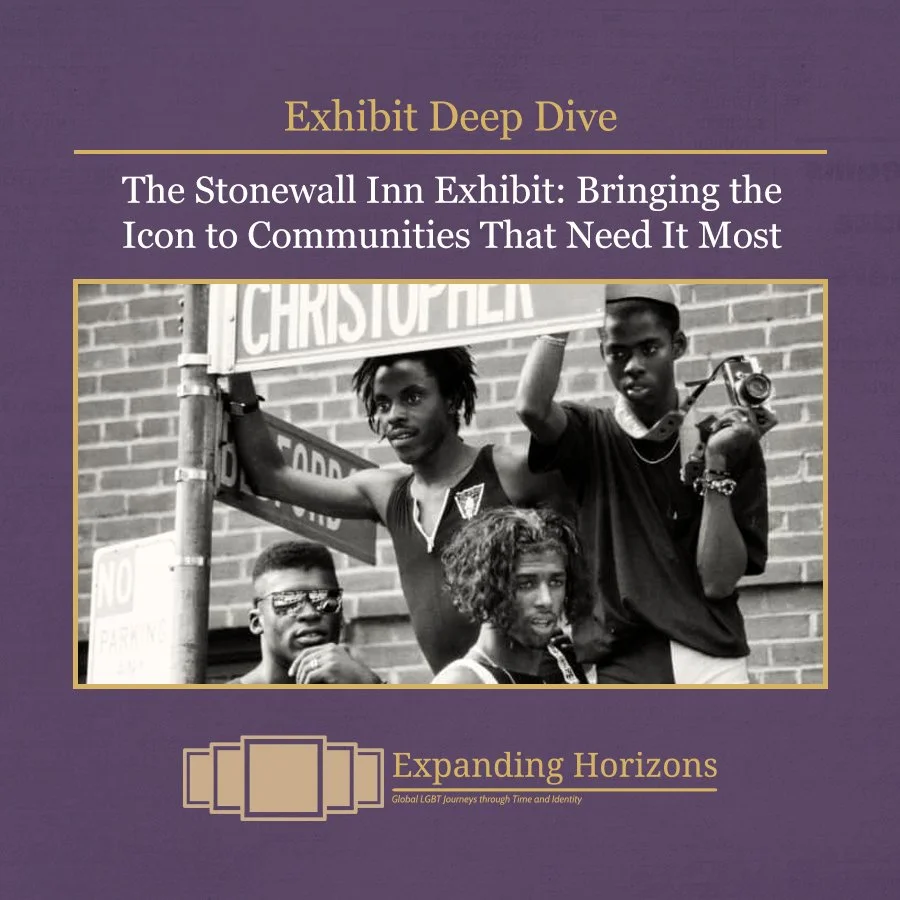
The Stonewall Inn Exhibit: Bringing the Icon to Communities That Need It Most
“The Tension” matters as much as “The Uprising,” because understanding what conditions made Stonewall possible is what allows us to recognize those conditions when we see them today. The New York State Liquor Authority prohibited serving alcohol in so-called disorderly establishments, and the presence of gay people was considered de facto disorderly — leading to routine police raids of gay bars and clubs. The system wasn’t broken. It was working exactly as designed, for the people it was designed to serve.
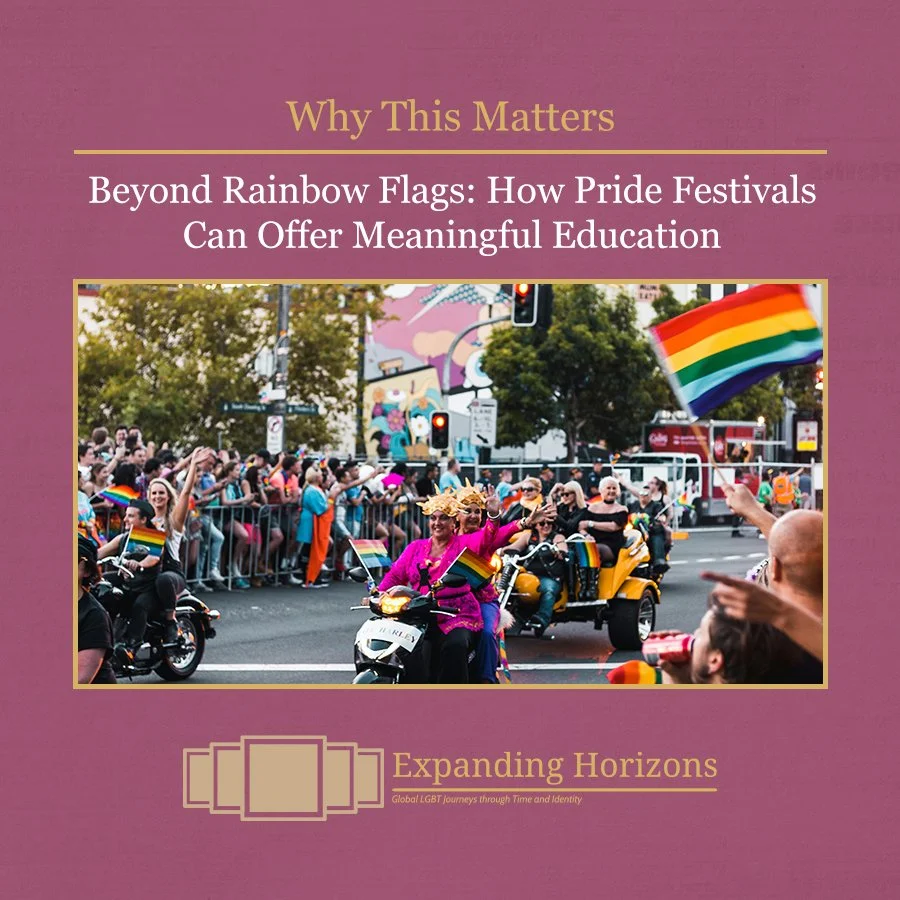
Beyond Rainbow Flags: How Pride Festivals Can Offer Meaningful Education
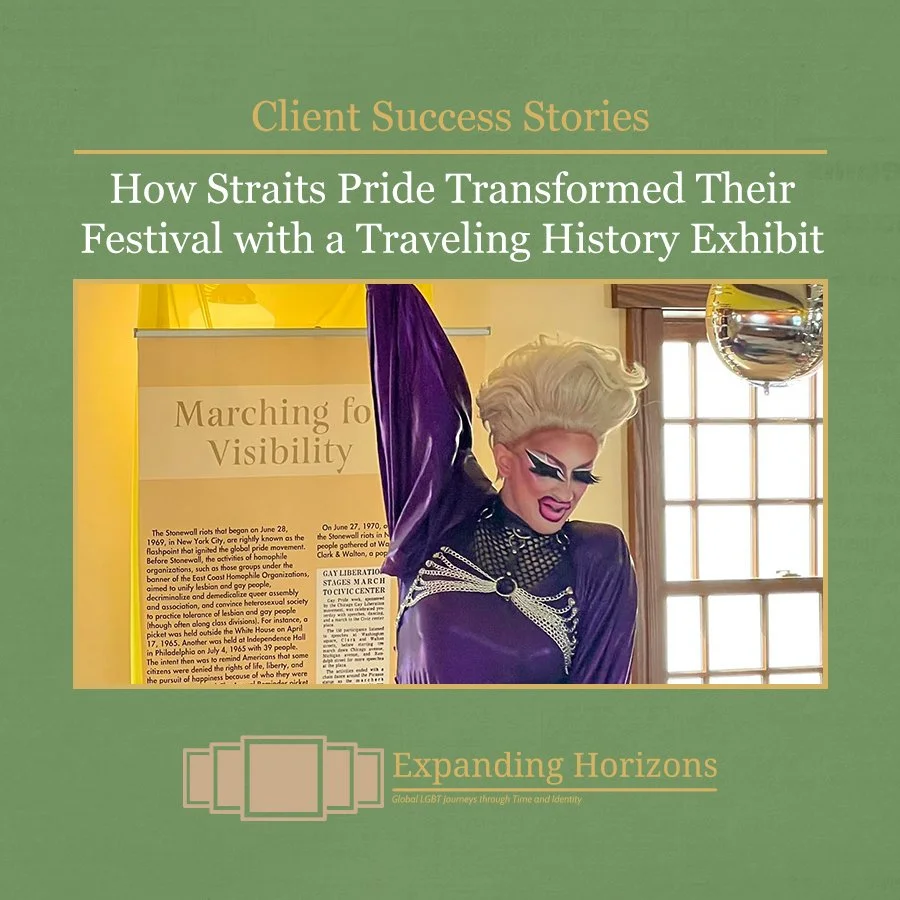
How Straits Pride Transformed Their Festival with a Traveling History Exhibit
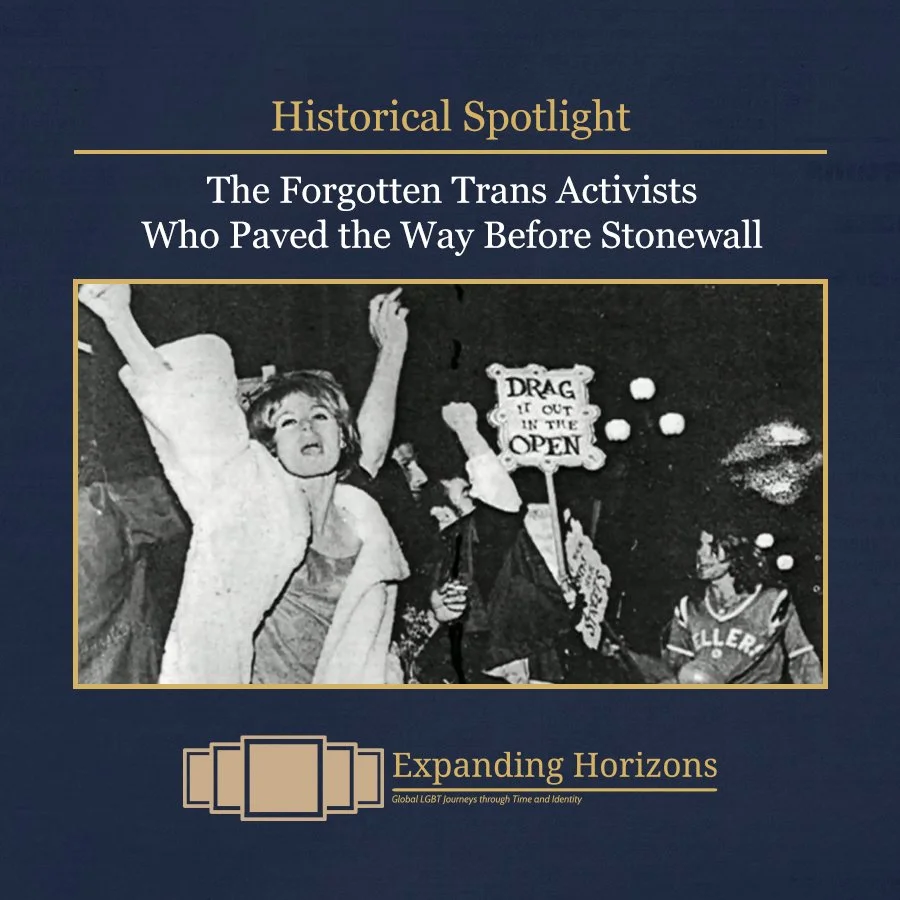
The Forgotten Trans Activists Who Paved the Way Before Stonewall
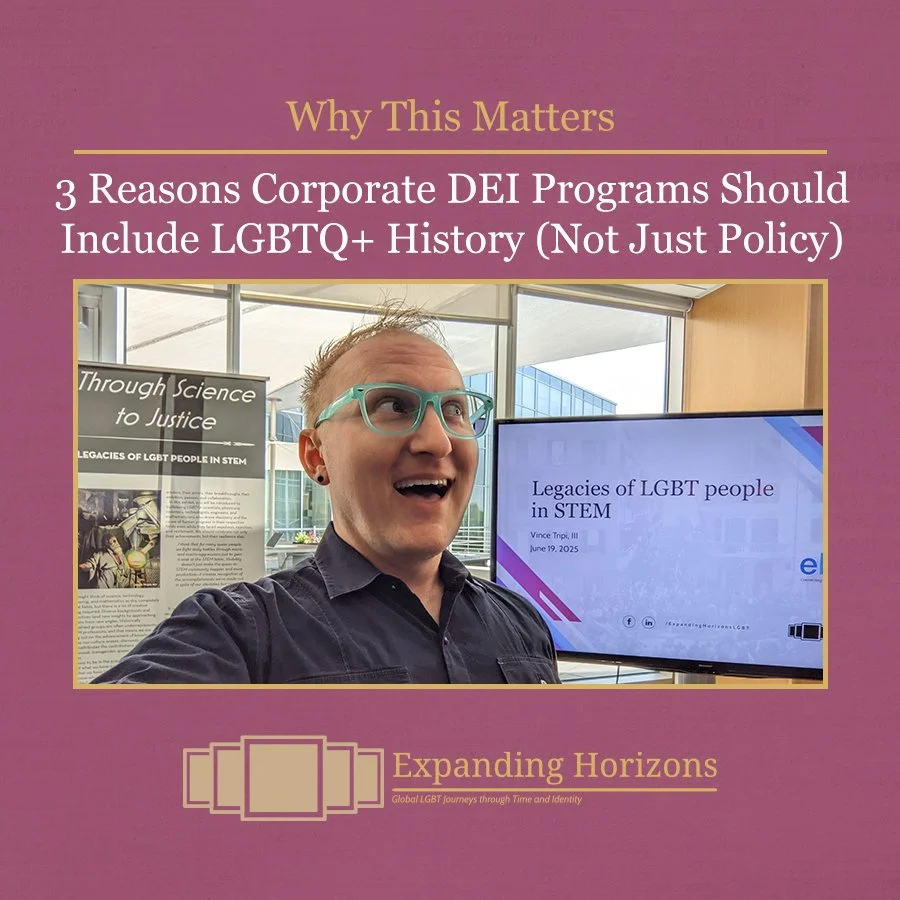
3 Reasons Corporate Equity, Diversity, and Inclusion Programs Should Include LGBTQ+ History (Not Just Policy)
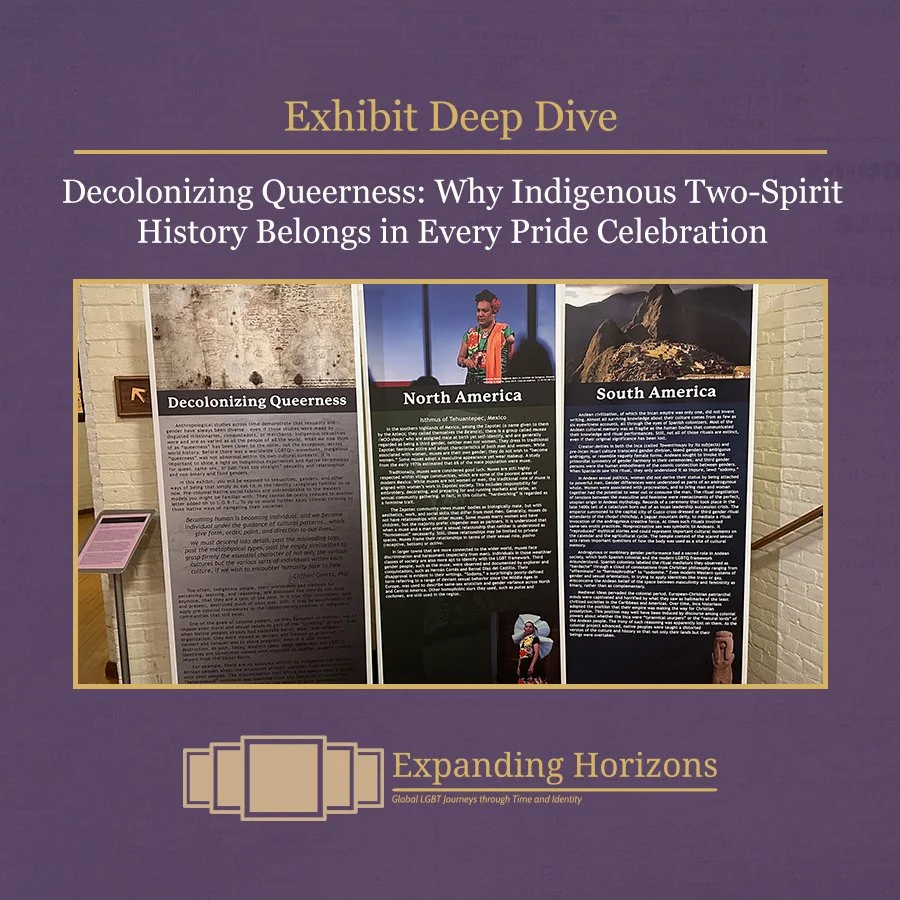
Decolonizing Queerness: Why Indigenous Two-Spirit History Belongs in Every Pride Celebration
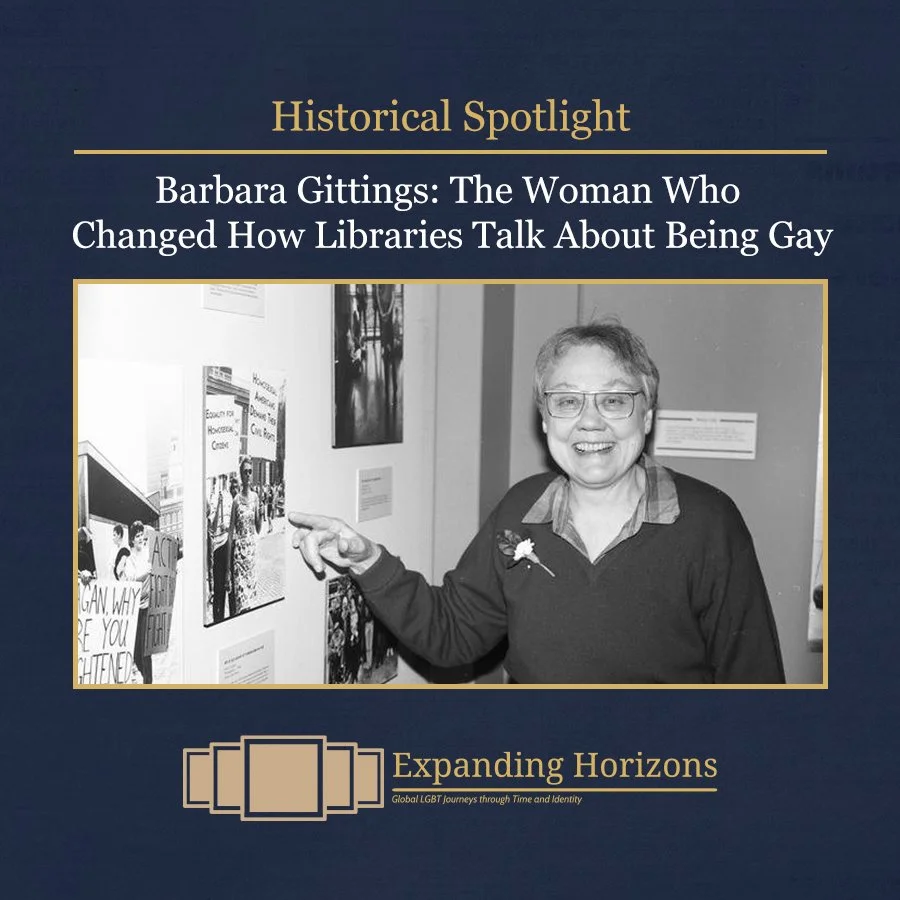
Barbara Gittings: The Woman Who Changed How Libraries Talk About Being Gay
Through persistence, strategy, and an unshakable belief in the power of libraries as civic institutions, Gittings helped transform how libraries talked about being gay—and, in doing so, reshaped how generations of people understood themselves.

Celebrating LGBTQ+ Trailblazers in STEM
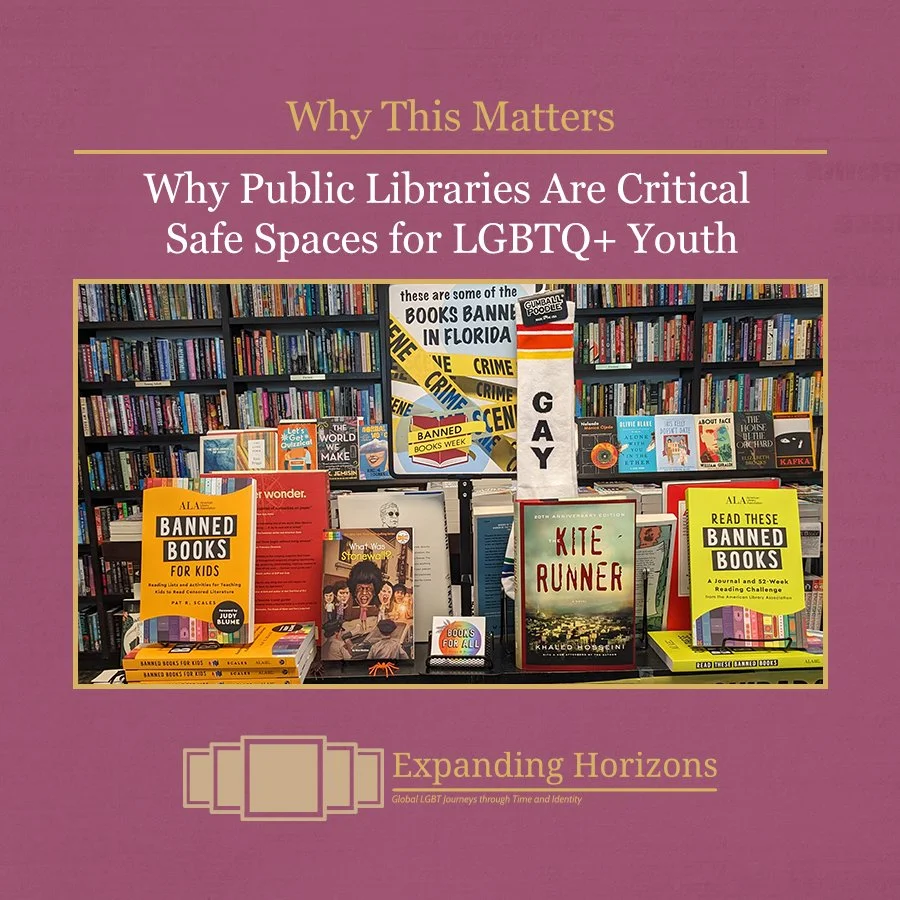
Why Public Libraries Are Critical Safe Spaces for LGBTQ+ Youth (And How History Exhibits Help)
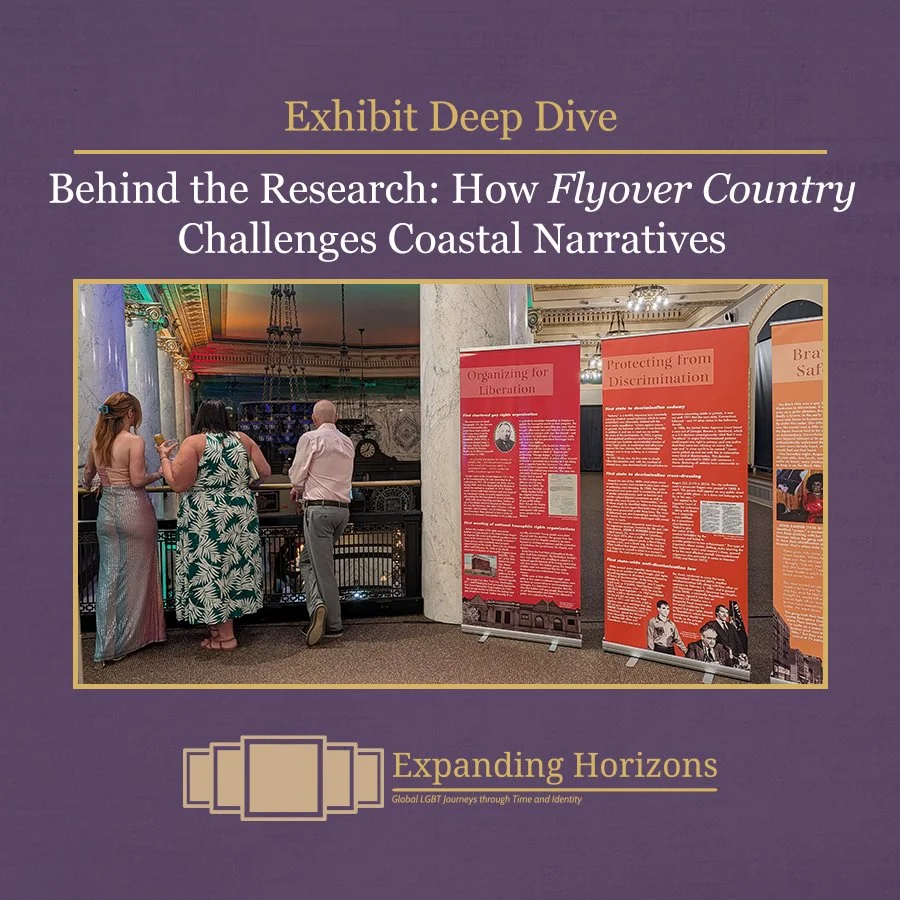
Behind the Research: How Flyover Country Challenges Coastal Narratives
The Flyover Country exhibit does more than correct the record; it provides institutions with a research-driven, accessible framework grounded in primary sources that connects local audiences to national movements through place-based history. By proving that LGBTQ+ history belongs in every community—not just in major coastal museums—the exhibit offers a vital framework for discussing activism, resistance, and progress beyond traditional stereotypes.
For libraries, schools, Pride festivals, and civic spaces, Flyover Country invites audiences to see themselves as part of the story—not footnotes to someone else’s.
The Midwest has never been empty. It has never been passive. And it has never been absent from LGBTQ+ history.
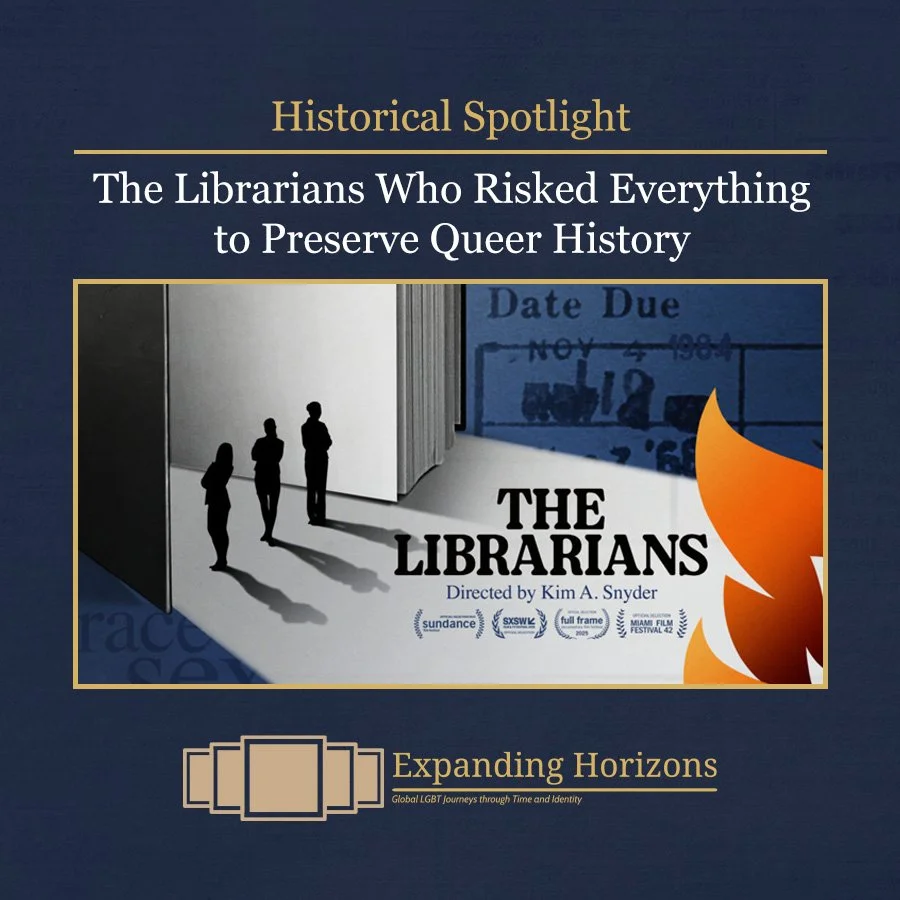
The Librarians Who Risked Everything to Preserve Queer History
The parallel is impossible to ignore. In 1933, fascists burned books to eliminate queer knowledge. In 2026, activists still fight to keep LGBTQ+ materials on library shelves. The tactics have evolved, but the goal remains the same: erasure. The response must remain the same, too: determined, unapologetic preservation.
The lesson is stark; preservation is never a one-time victory. It is an ongoing act of resistance.

Celebrating LGBTQ+ Pioneers and Inspire the Next Generation of STEM Leaders
