
The Stonewall Inn Exhibit: Bringing the Icon to Communities That Need It Most
Every June, the story gets told again. The raid... the resistance… the riot that changed everything. By now, most people who care about LGBTQ+ history know the broad strokes of what happened at the Stonewall Inn in the early morning hours of June 28, 1969. Or, they think they do.
But there’s a difference between knowing a story and understanding it. And there’s a bigger difference still between a story that makes you feel something and a story that asks you to do something.
That difference is what Expanding Horizons’ The Stonewall Inn exhibit is built around.
Happening Truth and Story Truth
Author Tim O’Brien, writing about his experience in the Vietnam War in The Things They Carried, drew a distinction that has stayed with historians, educators, and storytellers ever since: the difference between happening truth and story truth.
Happening truth is the factual record: what actually occurred, when, and to whom. Story truth is the emotionally shaped retelling: what we choose to emphasize, whose voices we center, what the event is allowed to mean.
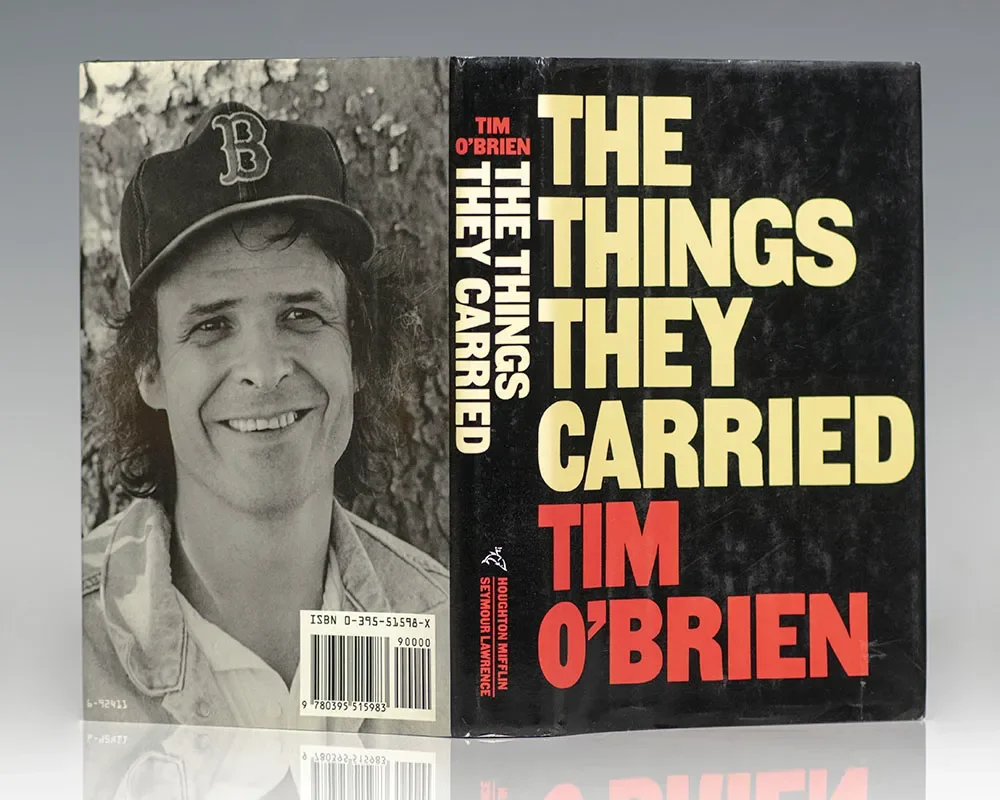
The Things They Carried by Tim O'Brien
Both matter. But the relationship between them is where history gets complicated. And nowhere in LGBTQ+ history is that relationship more fraught than at Stonewall.
The happening truth of Stonewall is already more complex than the familiar narrative allows. The uprising unfolded over six nights, with the most intense confrontations occurring on the first and sixth nights, and drew an estimated five to six hundred people on the first night alone — growing to roughly two thousand on the second. Among those present were homeless LGBTQ teens, trans women of color, lesbians, drag queens, gay men, and allies. As for who started the confrontation, a number of eyewitnesses have offered differing accounts, and no one knows for certain what exactly sparked it or who threw the first punch or object.
That uncertainty such as the “who threw the first brick” discussion is actually one of the most important facts about Stonewall. It tells us that the uprising wasn’t the act of a single hero. It was the eruption of a community pushed past its limit.
What the Story Truth Has Left Out
The story truth that most of us inherited is cleaner, more cinematic, and significantly less challenging. It centers on a handful of names. It implies a clear beginning, a triumphant arc, and a movement that flowed naturally toward progress.
What it tends to omit is just as revealing as what it includes.
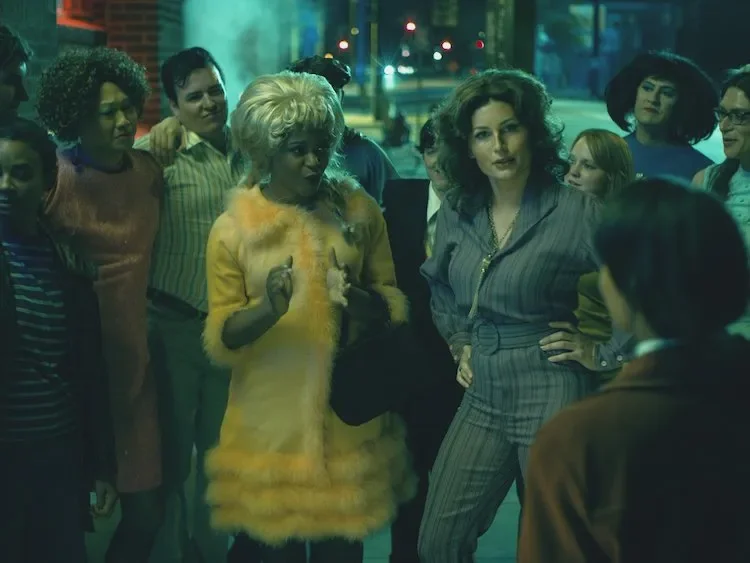
Season 4, episode 6 of Drunk History’s segment on the Stonewall Riots
Many of the young people who were present that night weren’t inside the Stonewall Inn at all. They were outside, in Christopher Street Park — because they had been cast out by their families, pushed to the margins even within the community. The Stonewall Inn drew a diverse, young clientele, but the bar was also Mafia-owned, opened in 1967 by mafioso “Fat Tony” Lauria, operating in a system that profited from the very people it claimed to serve.
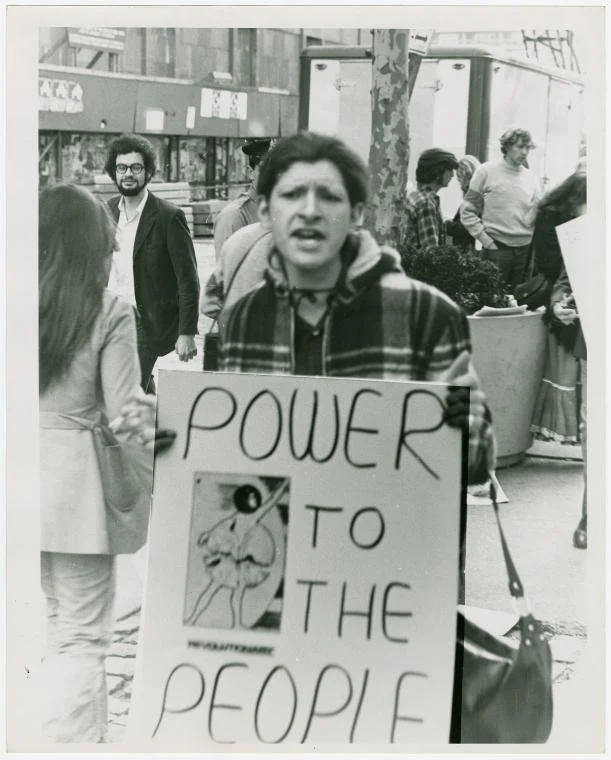
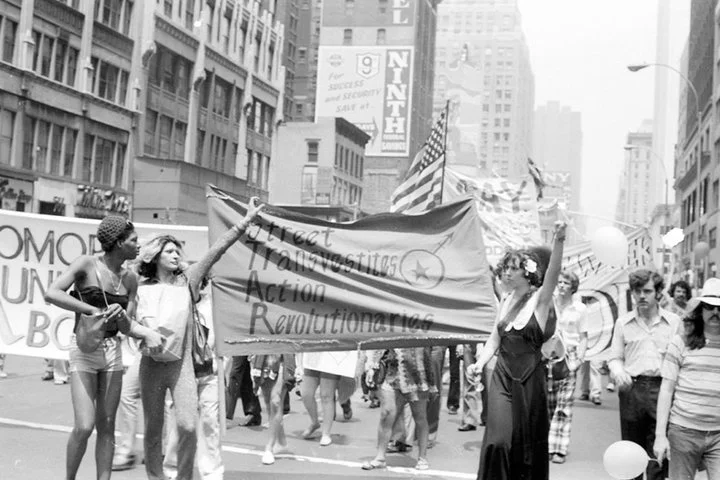
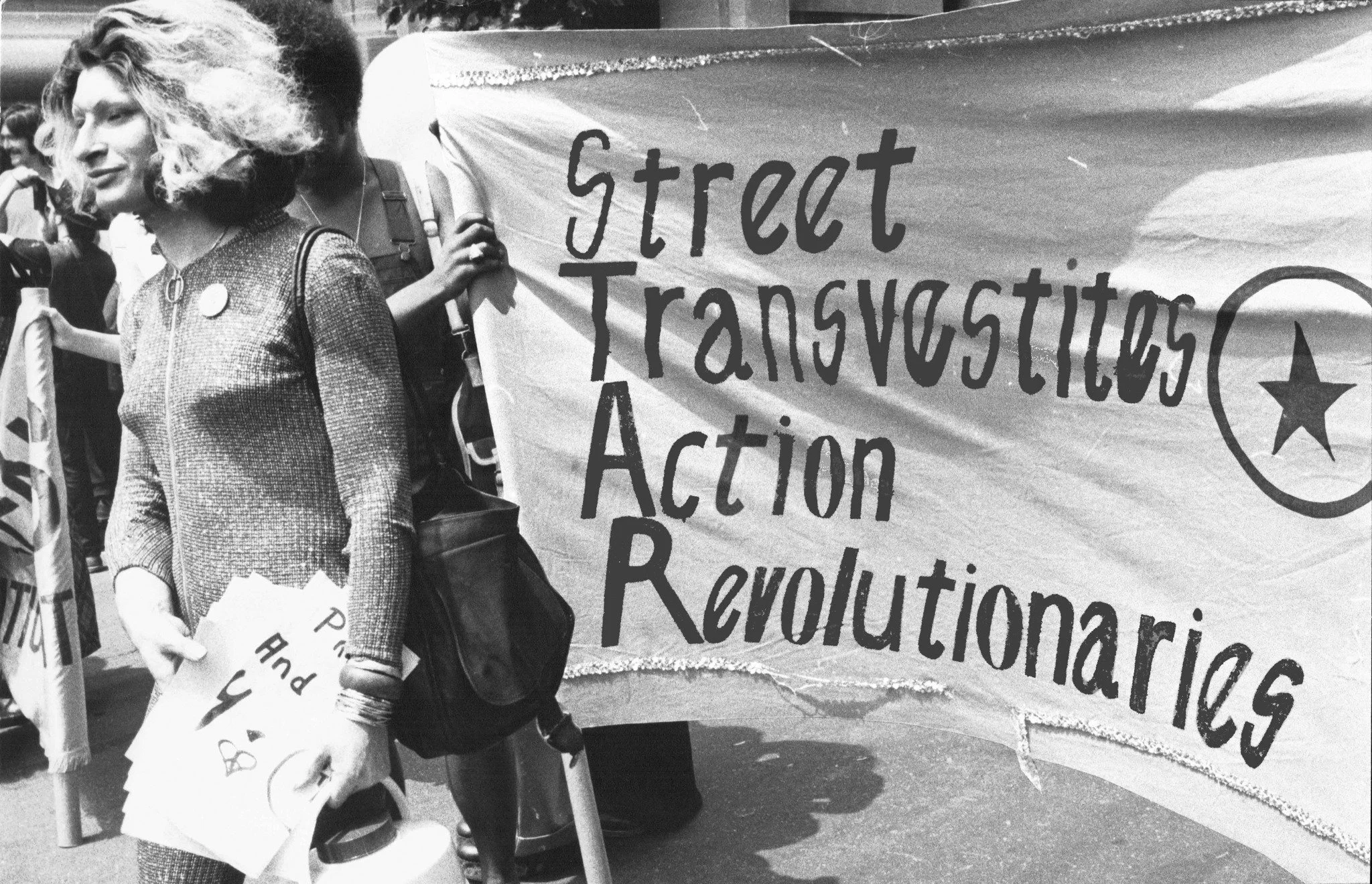
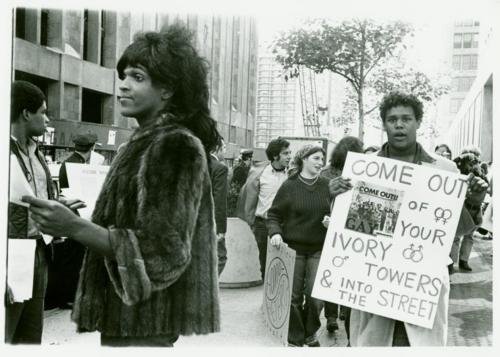
Marsha P. Johnson and Sylvia Rivera — whose names are now invoked as symbols of the uprising — went on to found STAR: Street Transvestite Action Revolutionaries. STAR House was a home they created for the abandoned youth who had nowhere else to go: trans kids, runaways, street youth who had been rejected by the families that were supposed to protect them. The “legacy” of Stonewall, properly understood, should include an indictment of a culture that discards its most vulnerable children, and two people who responded to that indictment not with a hashtag but with a house!
That part of the story rarely makes the timeline display at Pride festivals.
Seven Panels, One Honest Story
Expanding Horizons’ The Stonewall Inn exhibit doesn’t flatten the complexity. Its seven panels (The Stonewall Inn, The Tension, The Raid, The Siege, The Uprising, The Momentum, and The Legacy) are designed to build on each other the way the actual events did: not as a heroic march toward inevitable progress, but as a series of pressure points in a system that had been failing people for years.
“The Tension” matters as much as “The Uprising,” because understanding what conditions made Stonewall possible is what allows us to recognize those conditions when we see them today. The New York State Liquor Authority prohibited serving alcohol in so-called disorderly establishments, and the presence of gay people was considered de facto disorderly — leading to routine police raids of gay bars and clubs. The system wasn’t broken. It was working exactly as designed, for the people it was designed to serve.
“The Legacy” panel doesn’t end the story with victory. It asks what we are still carrying and what we are still called to do.
Why This Exhibit, Why Now
Stonewall was not the beginning of the LGBTQ+ rights movement. Prior to the uprising there were more than two dozen gay rights organizations in the nation’s major cities. It was, however, a catalyst, it was a moment for a movement that had been building for decades broke into public consciousness and could no longer be ignored.
That context matters for your community right now. Not as a comfort but as a challenge. The rights that Pride celebrations honor every June were not given. They were taken, demanded, and defended by people who had been told they didn’t deserve them. Some of those people were trans women of color sleeping in a park because their parents had thrown them away.
Bringing The Stonewall Inn exhibit to your June event isn’t just a nod to history. It’s an invitation for your community to reckon honestly with what Stonewall actually was — and what it still demands of us.
That’s the version of the story worth telling.
Bring The Stonewall Inn to Your June Pride Celebration
The Stonewall Inn exhibit is available for Pride festivals, libraries, universities, community centers, and civic spaces. It travels. It installs easily. And it starts conversations that don’t end when the exhibit comes down.
Ready to bring this story to your community? Visit ExpandingHorizons.LGBT/exhibits to learn more about exhibit rentals.
Stonewall happened. What you do with it is up to you.
