
In 1996, a federal appeals court ruled on a case that should be required knowledge for every educator and administrator in America. The student at the center of it grew up less than 200 miles from where Expanding Horizons is based today.
His name was Jamie Nabozny, and what happened to him in his Ashland, Wisconsin school is a warning every district should take seriously as the new school year approaches.

Ashland High School (T. Bowe)
What Happened to Jamie Nabozny
Beginning in seventh grade, after Nabozny disclosed that he was gay, he endured years of escalating abuse. He was called slurs, spat on, and beaten. In one incident, two students held him down in a classroom and performed a mock rape while roughly twenty classmates watched and laughed. He reported the abuse to school administrators repeatedly. One principal's response, when he came to her office after the assault, was reportedly that "boys will be boys" — and that if he was "going to be so openly gay," he should expect this kind of treatment.
Nabozny was eventually kicked so severely that he required surgery. He developed post-traumatic stress disorder. He withdrew from the district entirely.
In 1996, the Seventh Circuit Court of Appeals ruled that school officials could be held liable for failing to protect a student from anti-gay harassment — a landmark decision establishing that schools have a constitutional obligation to protect LGBTQ+ students just as they would any other student facing discrimination. The case settled for nearly a million dollars.
That ruling happened almost thirty years ago. The question every educator should be asking is: what has actually changed since then?
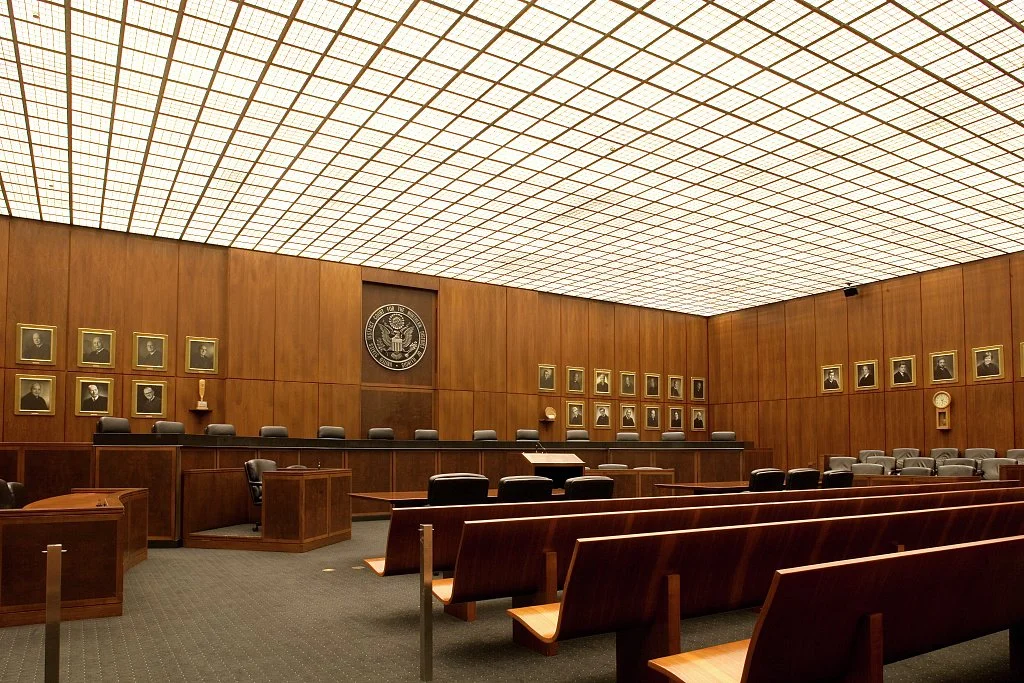
United States Court of Appeals for the Seventh Circuit in Chicago
The Data Says: Not Enough, But Something
The numbers are sobering. According to GLSEN's national surveys, a majority of LGBTQ+ middle and high school students still report feeling unsafe at school because of their sexual orientation or gender expression, and the vast majority of transgender students report feeling unsafe specifically because of their gender identity. The Trevor Project has found that LGBTQ+ students are more than four times as likely to attempt suicide compared to their straight and cisgender peers — and that bullying is frequently a driving factor.
But here's the part that should change how every school thinks about curriculum: the research also shows what actually helps. The Trevor Project's research has found that LGBTQ+ students who learn about LGBTQ+ people and issues in school report meaningfully lower rates of attempting suicide in the past year compared to students who don't. Students in schools with LGBTQ-inclusive curricula report feeling more connected to their school community and experience less hostile school climates overall.
This isn't an ideological claim. It's a measurable, replicated finding: representation in curriculum is a protective factor, not a controversial add-on.
Why History Specifically Matters
There's an important distinction between LGBTQ+ inclusion as a vague gesture toward tolerance and LGBTQ+ history as substantive curriculum content. The latter does something the former can't: it gives students — both LGBTQ+ and not — a factual, structured understanding of where civil rights protections came from, who fought for them, and what was actually at stake.
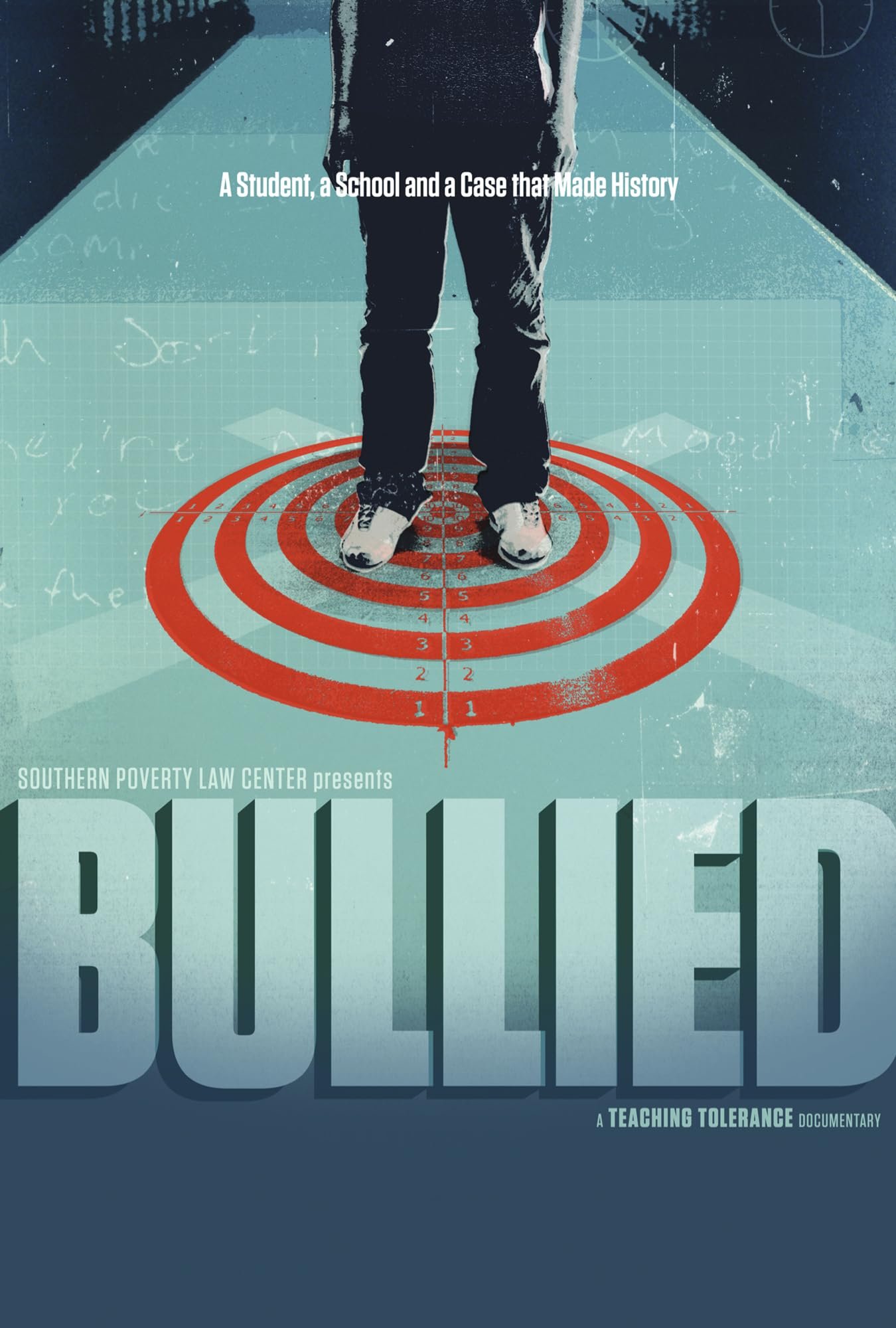
Bullied, the 2010 short film based on Jamie Nabozny’s case
When students learn that the protections Jamie Nabozny eventually won were not handed down from on high but fought for, case by case, by ordinary people who had every reason to give up, something shifts. LGBTQ+ students see themselves situated in a real, documented lineage rather than feeling like an anomaly their school doesn't know how to discuss. Straight and cisgender students gain a more complete and accurate picture of American civil rights history. And every student in the room gets a clearer model of how legal protections actually come into existence: through specific people, specific lawsuits, specific moments of refusal.
History, taught honestly, is one of the most effective anti-bullying tools available — not because it lectures students on tolerance, but because it makes the stakes concrete and human.
What This Looks Like in Practice
Incorporating LGBTQ+ history doesn't require overhauling a curriculum. It can mean situating Stonewall, the AIDS crisis, or pivotal court cases like Nabozny's within existing American history, civics, or health units. It can mean inviting outside expertise to supplement instruction with primary sources and visual material that bring history into the classroom in a way a textbook chapter often can't.
It also means understanding that doing this work well requires support — professional development that gives teachers and administrators the confidence and content knowledge to teach this material accurately, sensitively, and without fear of getting it wrong.
Building This into Your Fall Planning
As you plan your professional development calendar for the upcoming school year, consider what your staff actually needs to feel equipped: not just policy language about non-discrimination, but real historical grounding that helps them teach this material with confidence.
Expanding Horizons offers presentations specifically designed for educators and administrators — combining the research on school safety with substantive, well-documented LGBTQ+ history that staff can carry directly into their classrooms and curriculum planning.
Book a presentation for your fall professional development day. Reach out to Vince for a free consultation or learn more at ExpandingHorizons.LGBT/speaking.
The students walking into your building this fall are inheriting a history they deserve to know. Make sure your staff is ready to teach it.
