
LGBT Keynotes and Signature Talks
Curated presentations for Pride Month, history observances, and beyond
Vince’s programs make it easy for audiences at many levels to learn together about history, queer theory, literature, and leadership. Vince's deep understanding of teaching and learning creates opportunities for participants to take different perspectives and envision new possibilities.
🏳️🌈 Keynotes 🗣️
🏳️🌈 Keynotes 🗣️

Vince is a great keynote speaker.
He’ll write a speech just for your occasion. Common themes he’s been asked to speak on before are “Choosing Resilience,” using and measuring storytelling in the workplace, and creating a place for LGBTQ+ history at pride festivals.
Histories
Telling the Untold Stories of the LGBTQ+ Community

Flyover Country
-
Contributions of the Midwest to LGBTQ+ liberation are often-overlooked. By showcasing the vibrant activism that has always existed in these regions, we challenge the misconception that the Midwest is backwards compared with the urbanized coasts. We'll explore how the Great Lakes region pioneered marriage equality, anti-discrimination laws, and LGBTQ organizations, often ahead of the coasts.
-
Explore the history of LGBTQ+ activism in the Midwest, highlighting key figures, organizations, and events that have shaped the movement.
Challenge stereotypes about the Midwest as a region lacking in LGBTQ+ culture and activism, demonstrating the diversity and resilience of the community.
Foster a sense of connection and solidarity among LGBTQ+ individuals by highlighting shared experiences and struggles across different regions of the United States.
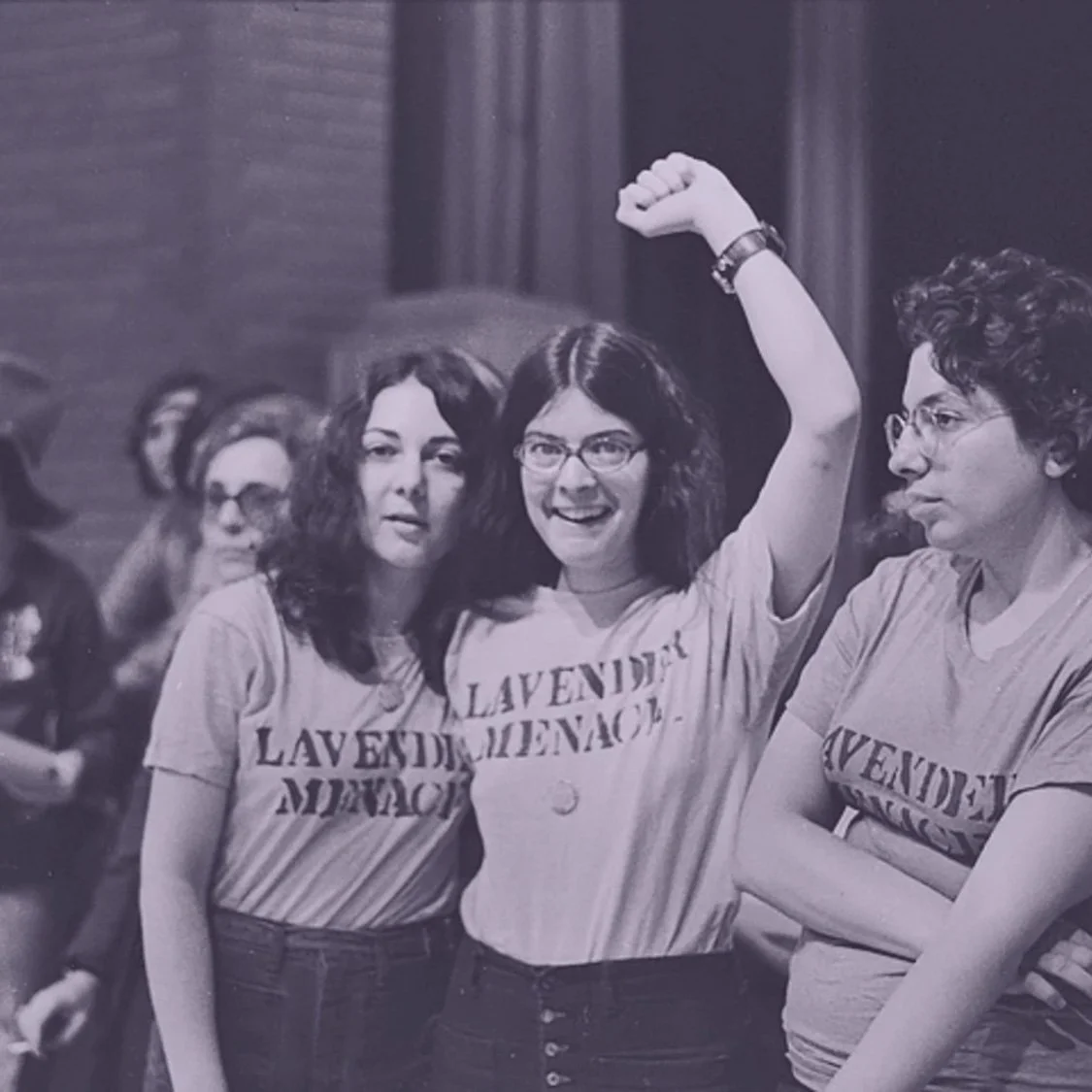
The Lavender Menace & the National Organization for Women
-
Lesbians were initially excluded from the mainstream feminist National Organization for Women, being labeled a “menace” to women's liberation and issues affecting them characterized as a “lavender herring.” However, in the early 1970s, lesbian feminists challenged NOW’s leadership and argued that lesbianism is a political identity that is key to understanding the ways that heterosexuality separates and disempowers women to reinforce male supremacy.
-
Understand the historical context of the LGBTQ+ movement, including the challenges faced by early activists and the emergence of homophile organizations.
Analyze the role of intersectionality in LGBTQ+ activism, particularly the experiences of LGBTQ+ people of color and women.
Explore the impact of feminist theory on the LGBTQ+ movement, including the concept of the "lavender menace" and the challenges of balancing individual identity with collective action.

Through Science to Justice: Legacies of LGBT people in STEM
-
LGBTQA+ people are often recognized for work in the arts and humanities, but we work in all fields – including STEM! Explore the often-hidden history of incredible contributions made by scientists, inventors, engineers, and mathematicians of every gender and sexual orientation. Many struggled against prejudice, even as they broke new ground and revolutionized our understanding of the world. This session delves into their triumphs and struggles, showcasing the power of diverse perspectives in scientific exploration.
-
Explore the historical contributions of LGBTQ+ individuals to the fields of science, technology, engineering, and mathematics.
Analyze the challenges faced by LGBTQ+ individuals in STEM, including discrimination, prejudice, and lack of visibility.
Develop strategies for creating inclusive and supportive environments for LGBTQ+ students in STEM, such as mentoring, advocacy, and outreach.

Uncovered: A New England Women’s Romance for the Ages
-
While researching her dissertation in early American history, Rachel Hope Cleves stumbled upon a personal letter that eventually inspired her to write Charity and Sylvia: A Same-Sex Marriage in Early America. Her book opens a previously buried and forgotten tale of two women who lived in a same-sex marriage in colonial New England. Theirs is a powerful story that underscores the need for preserving personal histories and challenging old stereotypes. Even under the weight of discrimination, Charity and Sylvia remind us that there is hope for LGBTQ+ folks, that it is possible to overcome challenges and live authentically.
-
Explore the historical context of same-sex relationships in early America, challenging common misconceptions about LGBTQ+ history.
Analyze the lives and experiences of Charity and Sylvia, focusing on their relationship, community, and economic pursuits.
Reflect on the significance of their story for contemporary LGBTQ+ individuals and the ongoing fight for equality and acceptance.

Celebrating the Past, Shaping the Future
-
Queer history is rich with pioneering figures, challenges faced, and the victories achieved. By exploring the intersection of technology, social justice, and cultural change, this presentation inspires action and encourages participants to become agents of positive change within their organizations and communities.
-
Understand the historical and contemporary significance of the LGBT+ movement, recognizing the contributions of pioneers and the ongoing fight for equality.
Appreciate the diversity within the LGBT+ community, including variations in experiences based on factors like race, gender, and geographic location.
Engage in critical reflection on the role of individuals and organizations in creating inclusive and equitable workplaces and communities, particularly in the context of global business.
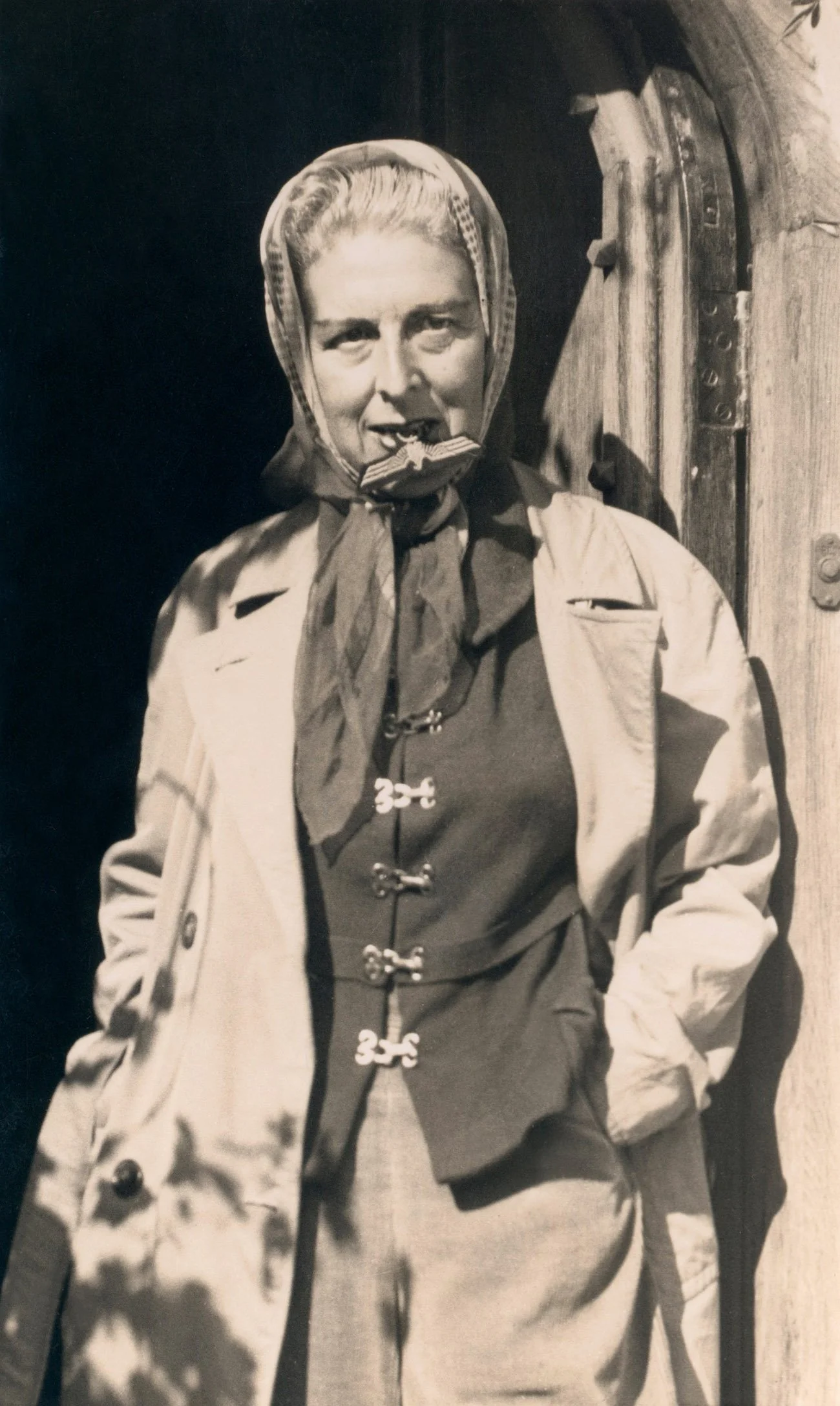
Queer Resilience Is Resistance
-
In the darkest hours of history, queer individuals have defied oppression and fought for their right to exist. This talk delves into the lives of four extraordinary figures—Willem Arondeus, Frieda Belinfante, Claude Cahun, and Kurt Hiller—who dared to challenge the Nazi regime. Through their stories of love, art, philosophy, and direct action, we explore the power of queer resilience in the face of adversity. By understanding their struggles and triumphs, we can draw inspiration to continue the fight for LGBTQ+ rights and equality.
-
Describe the social and political climate in Germany during the Nazi era, particularly as it relates to LGBTQ+ individuals.
Identify the varied expressions of queer identity and the different forms of resistance employed by LGBTQ+ individuals under the Nazi regime.
Explain the concept of queer resilience and its significance in shaping LGBTQ+ history and culture.

THE POWER HERE IS YOU: LESSONS FROM MILWAUKEE’S RESPONSE TO AIDS
-
Change happens in many places and many ways at once. Using Milwaukee’s historic response to the AIDS crisis as a roadmap, this session reveals how 1980s activists built powerful networks of care with the resources they had. We move beyond theory to provide actionable tools for navigating culture, influencing stakeholders, and building resilience. Discover how to transform your community’s history of resistance into a blueprint for contemporary impact and sustainable leadership.
-
Adapt grassroots strategies—like cross-sector partnerships—to current organizational and advocacy goals.
Leverage historical storytelling to influence stakeholders and build a case for inclusive policy.
Apply networks of care principles to prevent leader burnout and ensure long-term organizational resilience.

The Bricks They Carried
-
Drawing inspiration from Tim O’Brien’s concept of “story truth” versus “happening truth,” this presentation dives into the complex realities of the Stonewall Riots, revealing the diverse voices and hidden histories that have been overshadowed by simplified accounts. This goes beyond a simple history lesson; it is a critical examination of how narratives shape our understanding of social movements.
-
Differentiate between the commonly accepted “story truth” narratives of the Stonewall riots and the more complex “happening truth” based on historical evidence.
Evaluate the impact of “great man” narratives on historical understanding, specifically in the context of the Stonewall riots and the LGBTQ+ rights movement.
Connect the Stonewall riots to the broader context of pre-Stonewall homophile activism and the diverse activist approaches within the LGBTQ+ community.
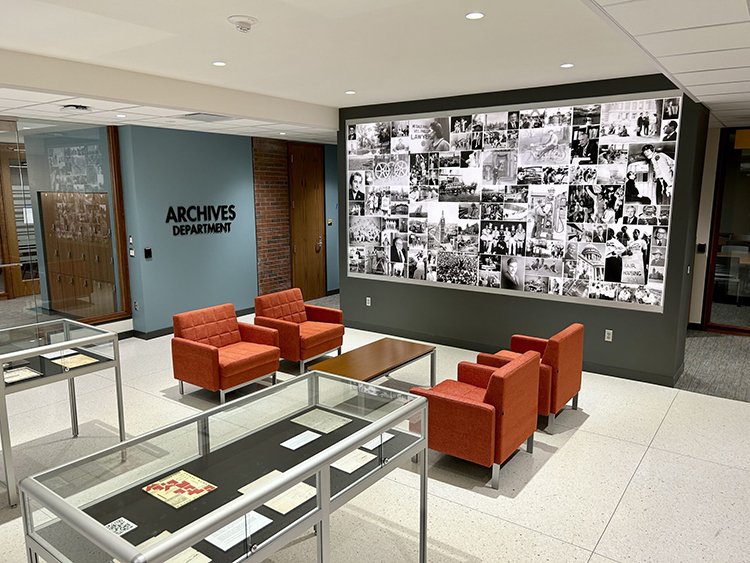
Out of the Archives,
Into the Streets
-
This presentation explores how academic library resources (archival collections, digitized documents, and inter-institutional networks) can fuel community engagement and historical correction. It draws from original research that led to the creation of 2 public exhibits on LGBTQ+ history, and demonstrates how archival discoveries disrupt popular narratives, amplify underrecognized figures, and empower public audiences.
-
Identify methods for transforming archival research into impactful public programming that reaches beyond the campus.
Explore the role of academic libraries in recovering, preserving, and activating marginalized histories.
Discover collaborative models for partnering with community groups, faculty, and students to create inclusive and accessible historical education.
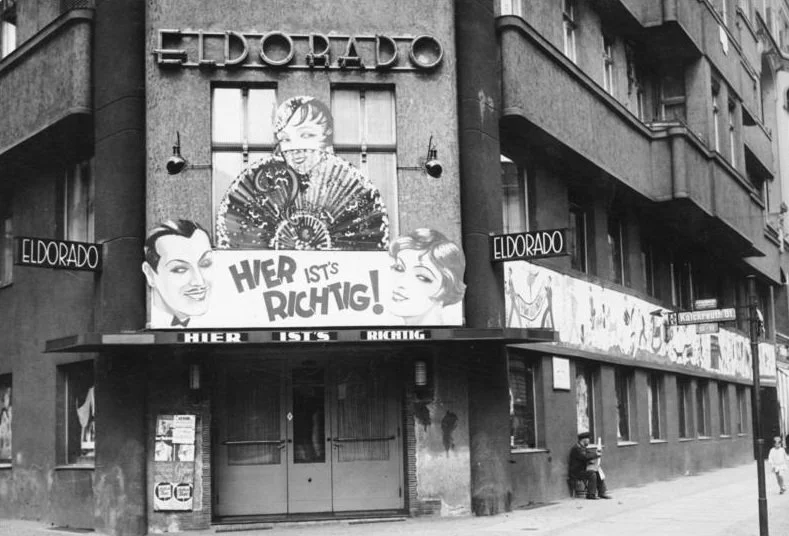
Before Stonewall: Berlin’s Queer History the Nazis Tried to Erase
-
LGBTQ history did not begin with Stonewall—or even with the organized homophile movement of the 1950s. In 19th-century Europe, lawyers and medical men began challenging prevailing ideas about same-sex desire, laying the groundwork for emerging concepts of sexual identity. By the early 20th century, the work of researchers and advocates such as Magnus Hirschfeld and the vibrant queer culture of Weimar Berlin reflected a rapidly expanding understanding of sexuality and gender.
-
Identify major developments in European LGBTQ thought and organizing before WWII.
Explain how Nazi persecution disrupted emerging LGBTQ communities, institutions, and bodies of knowledge.
Evaluate how historical erasure can shape later understandings of gender and sexuality.
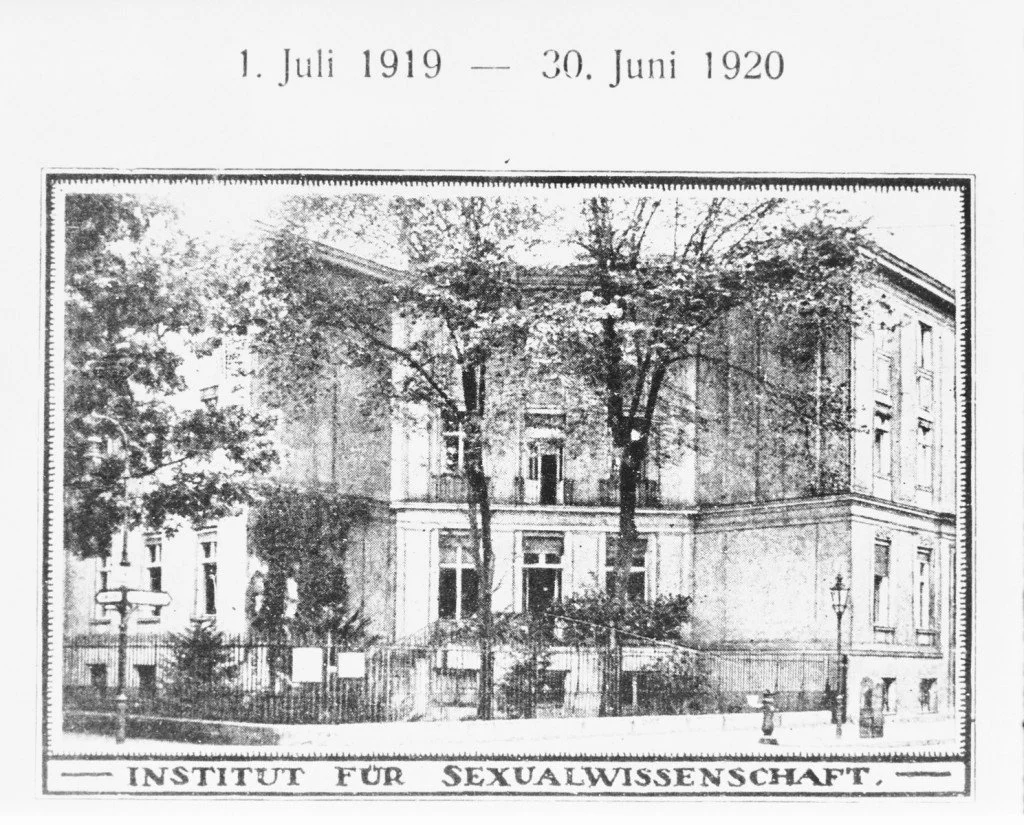
The Science of Being Human: Magnus Hirschfeld and the Quest for Justice
-
Magnus Hirschfeld’s Institut für Sexualwissenschaft was a remarkable intersection of medicine, sexology, anthropology, law, research, advocacy, and politics. Its work challenged prevailing assumptions about sexuality and gender while helping make new categories of human identity visible and intelligible. Hirschfeld’s motto, Per scientiam ad justitiam, “through science to justice, ”captured his conviction that scientific inquiry could advance social and political acceptance of sexual minorities. But his work also raises a more enduring question: Who gets to define what a human being is?
-
Identify at least three ways the Institut für Sexualwissenschaft advanced scientific and social understandings of sexuality and gender in early 20th-century Germany.
Analyze how scientific research, legal structures, and cultural attitudes can interact to shape and constrain definitions of human identity.
Evaluate the destruction of Hirschfeld’s institute, library, and archives as an example of how political regimes can use the suppression of knowledge to marginalize targeted communities.

After Liberation: The Unfinished Story of the Pink Triangle
-
Students often learn about the Nazi persecution of homosexual men through the pink triangle, but the story frequently ends with liberation in 1945. For many survivors, however, liberation did not mean recognition, justice, or acceptance. Men who had been imprisoned and subjected to forced labor and concentration-camp persecution were not readily embraced as victims of the Nazi regime, and discriminatory laws and social stigma persisted across postwar Europe. This presentation picks up where many Holocaust narratives stop, examining the longer shadow of Nazi persecution and the destruction of prewar queer institutions and communities.
-
Describe at least two ways persecution of homosexual men continued after the fall of Nazi Germany, including the social and legal barriers faced by survivors.
Analyze how the destruction of prewar LGBTQ institutions, communities, and knowledge affected the development of postwar LGBTQ organizing.
Evaluate how historical erasure can influence subsequent movements for human rights, using postwar LGBTQ history as a case study.
Leadership
Queer Career Catalyst Series

Happiness Is the Driver for Career Advancement
-
Developing your career is an ongoing process: excavating your unconscious desires, shrugging off the burden of external expectations, coming to terms with your ambition, making decisions for the long term… it's hard! If you wrestle with aligning your personal desire for achievement, fulfillment, and human connection with career advancement opportunities, Vince has some pointers for you.
-
Reframe the concept of career advancement from a linear progression to a more holistic journey focused on personal growth and fulfillment.
Develop strategies for identifying and pursuing meaningful career goals aligned with individual values and passions.
Cultivate a positive mindset and habits that contribute to personal and professional success, including building strong relationships, embracing challenges, and practicing gratitude.

Stand Out in the Job Market
-
If you’re engaged in a gay-straight alliance or a group like oSTEM your experiences have probably shaped who you are, your skills, and how you work. Still, coming out on your resume or at work is an important personal decision for LGBT+ professionals. This workshop will provide guidance on how to position your fabulous experiences in LGBT+ activities to align with business needs, and propose ways to stand out in your workplace by openly identifying yourself.
-
Identify transferable skills gained from participation in LGBT+ activities, such as leadership, communication, organization, and problem-solving.
Develop strategies for aligning experiences within the LGBT+ community with professional goals and business needs.
Craft an approach for presenting self-identification as an asset in the workplace and leverage it to create professional enrichment opportunities.

The Value of Mentorship for Early Careerists
-
Mentorship is an invaluable resource for early careerists. Mentors can provide guidance, support, and advice, helping mentees to develop their skills, knowledge, and networks. This presentation explores the benefits of mentorship, the qualities of a good mentor, and how to find and get the most out of a mentorship relationship.
-
Understand the benefits of mentorship for early-career LGBTQ+ professionals in STEM, including the development of professional skills, networking opportunities, and emotional support.
Identify key qualities of a good mentor and strategies for finding and building effective mentorship relationships.
Apply practical tips and techniques for maximizing the value of mentorship, such as setting clear goals, active listening, and open communication.

Unconscious Bias Training: Creating an Inclusive Headspace
-
Unconscious biases can subtly influence our decisions, leading to unintended discrimination. This workshop will explore the nature of implicit bias and its impact on individuals and organizations. Participants will learn practical strategies to recognize and mitigate bias, fostering a more inclusive and equitable workplace. By understanding the science behind bias and practicing self-awareness, we can create a more just and fair future.
-
Identify common unconscious biases that can impact decision-making and interpersonal interactions.
Develop strategies to recognize and challenge personal biases, promoting self-awareness and critical thinking.
Apply practical techniques to create more inclusive and equitable environments, fostering a culture of respect and understanding.

Building Brave Community: Everyday LGBTQ+ Ally Skills
-
The session focuses on curiosity, compassion, and courageous communication. Attendees will explore where they are on the path to transformative allyship, practice simple tools for reducing harm and supporting students and peers, and learn how to engage across disagreement without sacrificing their values. Grounded in shared mutual purpose and respect, this training equips individuals to foster belonging, navigate conflict, and contribute to a stronger, more connected organizations.
-
Define what allyship means in a organizational context and identify at least two concrete ally behaviors.
Describe the key stages of the Riddle Scale and explain how attitudes toward LGBTQ+ people evolve across the model.
Apply foundational communication and intervention strategies to create more inclusive and affirming spaces for LGBTQ+ and all people.

ActivismS: You Don’t Have to Do Everything to Create Change
-
In a moment when LGBTQ+ youth and the adults who support them are navigating fear, urgency, and exhaustion, many people feel pressure to “do everything” to create change. This youth-forward, interactive workshop reframes activism as plural—many roles, many pathways, and many ways to contribute without self-destruction. Grounded in Deepa Iyer’s Social Change Ecosystem framework, ActivismS helps participants identify where they belong in movements for justice and how to take action that is sustainable, meaningful, and aligned with their capacity.
-
Identify at least one role they can play in creating social change and explain how that role draws on their individual strengths, values, and capacity.
Apply the spheres of control, influence, and concern to a real issue they care about and identify one specific, manageable action they can take within their sphere of control or influence.
Develop a sustainable approach to activism by identifying one action they can take, one source of support they can draw upon, and one boundary they can maintain to protect their well-being and capacity.

Trauma Informed Care in the LGBTQIA+ Patient
-
Historical and ongoing discrimination can manifest as complex health issues. By understanding the impact of trauma and implementing trauma-informed care principles, healthcare providers can create safe, inclusive, and empathetic environments for LGBTQ+ patients. This presentation provides practical strategies for building trust, addressing systemic barriers, and empowering LGBTQ+ individuals to take control of their health and well-being.
-
Understand the impact of trauma on individuals and communities, and the importance of recognizing and addressing trauma in healthcare settings.
Apply the principles of trauma-informed care to clinical practice, including creating safe and supportive environments, building trust, and empowering patients.
Explore the unique challenges faced by LGBTQ+ individuals in accessing healthcare, and develop strategies to improve healthcare experiences for this population.

Self-Determination of Identity for LGBTQ+ Peoples in the Classroom
-
This professional educator development program looks at how Milwaukee’s LGBTQ+ community, similar to Indigenous nations during the “Wisconsin Walleye War,” asserted their cultural sovereignty, forged its own identity and found ways to express itself authentically, profoundly influenced by the role of education and law.
Media & Culture
Queer Readings of Popular Media and Culture

Lady Gaga Studies
-
Queer the idea of a booklist by including a complex political and artistic statement that is all too often misunderstood, Lady Gaga's "Born This Way" music video. Allegory and allusion wink at the "born this way" school of identity. A great examination of identity and literature before you compile a syllabus or independent study booklist.
-
Expand the traditional understanding of "literature" to include pop music and other popular cultural forms as valid sources for academic study.
Develop a critical lens for analyzing pop music through a biographical and cultural context, exploring themes of identity, politics, and social change.
Apply a queer theoretical framework to analyze pop music, focusing on representations of LGBT+ experiences and challenges.

Media Circus of the Grotesque: Rhetoric of Privilege and Violence
-
There's a reason why the name Dana (Chanel) Larkin might not ring a bell, but Matthew Shepard and Tyler Clementi probably do. Answers the question how do the “insider” LGBT and “outsider” media coverage of hate crimes, suicide, and war erase people of color, women, and transfolk?
-
Analyze the media coverage of hate crimes against LGBTQ+ individuals, particularly focusing on the cases of Matthew Shepard and Tyler Clementi.
Examine the role of intersectionality in shaping experiences of violence and discrimination within the LGBTQ+ community, considering factors such as race, gender, and class.
Critically evaluate the impact of media representations on public perceptions of LGBTQ+ issues and the potential for perpetuating harmful stereotypes and biases.

Thomas Barrow, Man Out of Time
-
Thomas Barrow, the sometimes-villain of Downton Abbey, is notable in the series because he experiences same-sex attraction. Today, he might identify as a “gay man”—but perhaps he is too recognizable to modern ideas about identity and sexuality for a man born in the nineteenth century. Turn back the clock and check out how ideas about what we now understand as “sexual orientation” has changed over the past 160 years, and explore the different ways that upper- and working-class British men thought about themselves.
-
Analyze the representation of queer identity in the television series Downton Abbey, particularly focusing on the character of Thomas Barrow.
Compare and contrast the portrayal of queer identity in Downton Abbey with historical accounts of cross-class same-sex relationships in early 20th century England.
Critically evaluate the impact of media representations on queer youth, considering both the positive and negative consequences of seeing oneself reflected in popular culture.

Speculative Gender
-
Love the Doctor? Self-identify as a Trekkie? Peer into what genders might exist in the distant future among interstellar societies, and how they compare to the established and emergent social identities we have now. Red alert: surprising revelations about science fiction writers’ minds ahead!
-
Analyze the representation of gender and identity in science fiction franchises such as Star Trek and Doctor Who.
Compare and contrast the ways in which these franchises reflect and challenge societal norms and expectations regarding gender.
Explore the potential of science fiction to imagine alternative gender identities and social structures, and to inspire critical thinking about our own world.

Queer Rage: What to do when the joy's not there
-
Rage can be a source of empowerment, resistance, and healing, but it can also be destructive and self-defeating. Uncover how the ways we express and how others receive our anger at injustice impacts our options down the line. By searching our feelings and exploring the dimensions and origins of our queer rage, we can channel this energy into positive and productive change.
-
Explore the concept of "Queer Rage" and its role in driving social change and personal growth.
Examine the impact of systemic oppression and trauma on LGBTQIA+ individuals and the importance of finding healthy ways to process these experiences.
Develop strategies for channeling anger and frustration into positive action and building a more just and equitable future.

Beyond the Rainbow: Hidden Struggles of LGBT People Near and Far
-
While significant progress has been made in LGBTQ+ rights, numerous challenges persist worldwide. This program explores lesser-known issues affecting LGBT people, focusing on both domestic and international contexts. By highlighting these issues, we can raise awareness and advocate for continued efforts to promote equality and inclusion within the LGBTQ+ community.
-
Understand the specific healthcare disparities faced by transgender individuals, particularly in accessing necessary treatments and facing discrimination.
Recognize the unique challenges faced by LGBTQ+ youth, including homelessness, family rejection, and discrimination, and explore strategies to address these issues.
Gain awareness of the experiences of intersex individuals, including the ethical concerns surrounding medical interventions and the importance of informed consent.

Queer Theory in a Nutshell
-
Queer theory is a complex philosophical discourse that goes beyond binaries to question categories like sex, gender, desire, and identity. Unfortunately, its founding authors and predecessors are often dense and hard to understand. Folks of all experience levels will find an amusing and approachable breakdown of the methods and maxims of queer theory.
-
Understand the concepts of sex, gender, and sexuality, and how these categories are socially constructed and performative.
Analyze the ways in which queer theory challenges traditional notions of identity, normativity, and binary thinking.
Explore the implications of queer theory for understanding power, privilege, and social justice.

Every Revolution Needs a Little Treason
-
Do gays belong in the Boy Scouts? The U.S. Supreme Court has heard many cases on discrimination based on religion, race, sex, and sexuality, and the answers to those cases reveal the justices’ ideas about identity and association rights. Investigate what defines membership within a group, and how social identities like “gay” “black” or “female” are applied to individuals.
-
Understand the historical context of LGBTQ+ discrimination within the Boy Scouts of America, including the legal battles and societal implications.
Analyze the impact of the James Dale case on LGBTQ+ rights and the ongoing struggle for inclusion within Scouting organizations.
Explore strategies for advocating for LGBTQ+ rights and challenging discriminatory policies, both within and outside of Scouting organizations.

Be the Change, Tell the Story
-
In a time when libraries are facing increasing scrutiny over inclusive content, Expanding Horizons offers a powerful way to uphold your library’s mission while sparking authentic community engagement. This session explores how traveling LGBTQ+ history exhibits can act as accessible entry points for connection, learning, and resilience—particularly in public and academic settings. Attendees will gain insight into the practical and political context of implementing LGBTQ+ programming, including current legal trends, emerging community needs, and subtle ways to show solidarity even amid censorship attempts.
-
Identify strategies for implementing LGBTQ+ history programming in politically charged or resource-constrained environments.
Explain how traveling exhibits can support intellectual freedom, enrich community engagement, and align with institutional missions across library types.
Use a framework for using community partnerships and internal processes to anticipate and respond to censorship challenges in a systematic and values-driven way.

LGBTQ+ Milwaukee History and the Promise of the Bill of Rights
-
This session explores LGBTQ Milwaukee through the lens of the rights and freedoms promised by the Bill of Rights. Drawing on local history, the program examines how LGBTQ people have navigated—and challenged—barriers to speech, assembly, privacy, religion, and equal participation in civic life. Participants will consider the gap between rights promised in principle and rights experienced in practice, while examining how LGBTQ Milwaukeeans have used those promises to claim greater freedom and belonging.
-
Identify at least three ways LGBTQ Milwaukeeans have exercised or challenged rights protected by the Bill of Rights.
Analyze a historical example from LGBTQ Milwaukee to distinguish between a constitutional right in principle and how that right was experienced or enforced in practice.
Apply the principles of the Bill of Rights to a contemporary civic or community issue by articulating one way individuals or communities can use those principles to advocate for their rights.