LGBTQ+ History Programs for K–12 Schools

Helping students understand history through inquiry, evidence, and lived experience.
Schools prepare students to engage thoughtfully with the world around them. Expanding Horizons creates history-informed learning experiences that help students examine primary sources, explore historical change over time, and understand the lives of people whose stories have often been overlooked.
Whether hosted during LGBTQ+ History Month (October), integrated into social studies instruction, or offered as part of a school-wide educational program, every exhibit and presentation is grounded in historical scholarship, educational best practices, and a commitment to age-appropriate learning.
The objective is not simply to introduce students to unfamiliar historical figures. It is to cultivate curiosity, historical thinking, and an appreciation for the complexity of the past.
How Expanding Horizons Can Help
Traveling LGBTq+ History Exhibits
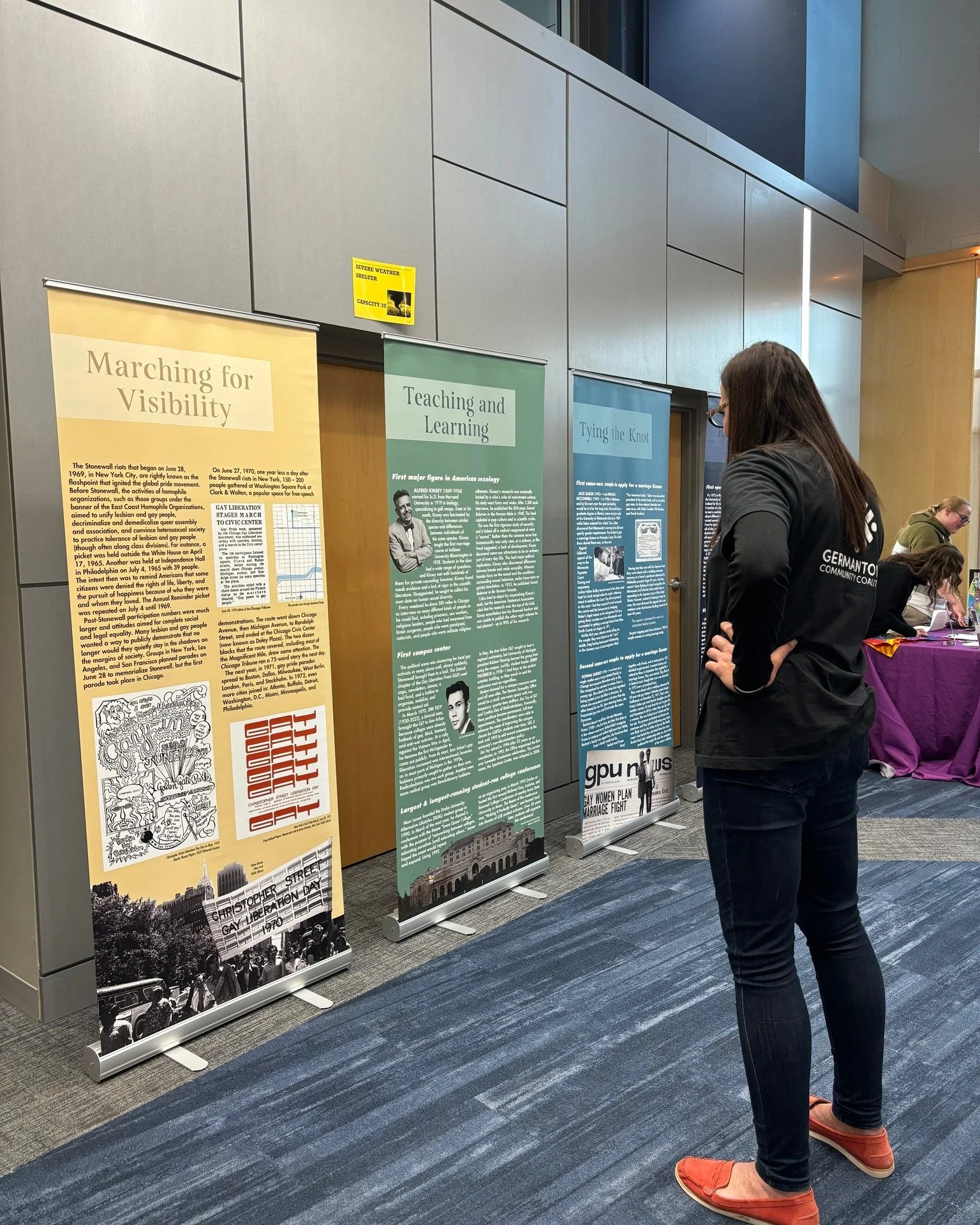
Transform hallways, libraries, media centers, or common spaces into places of discovery with museum-quality traveling exhibits that encourage independent exploration and discussion.
Learning Experiences
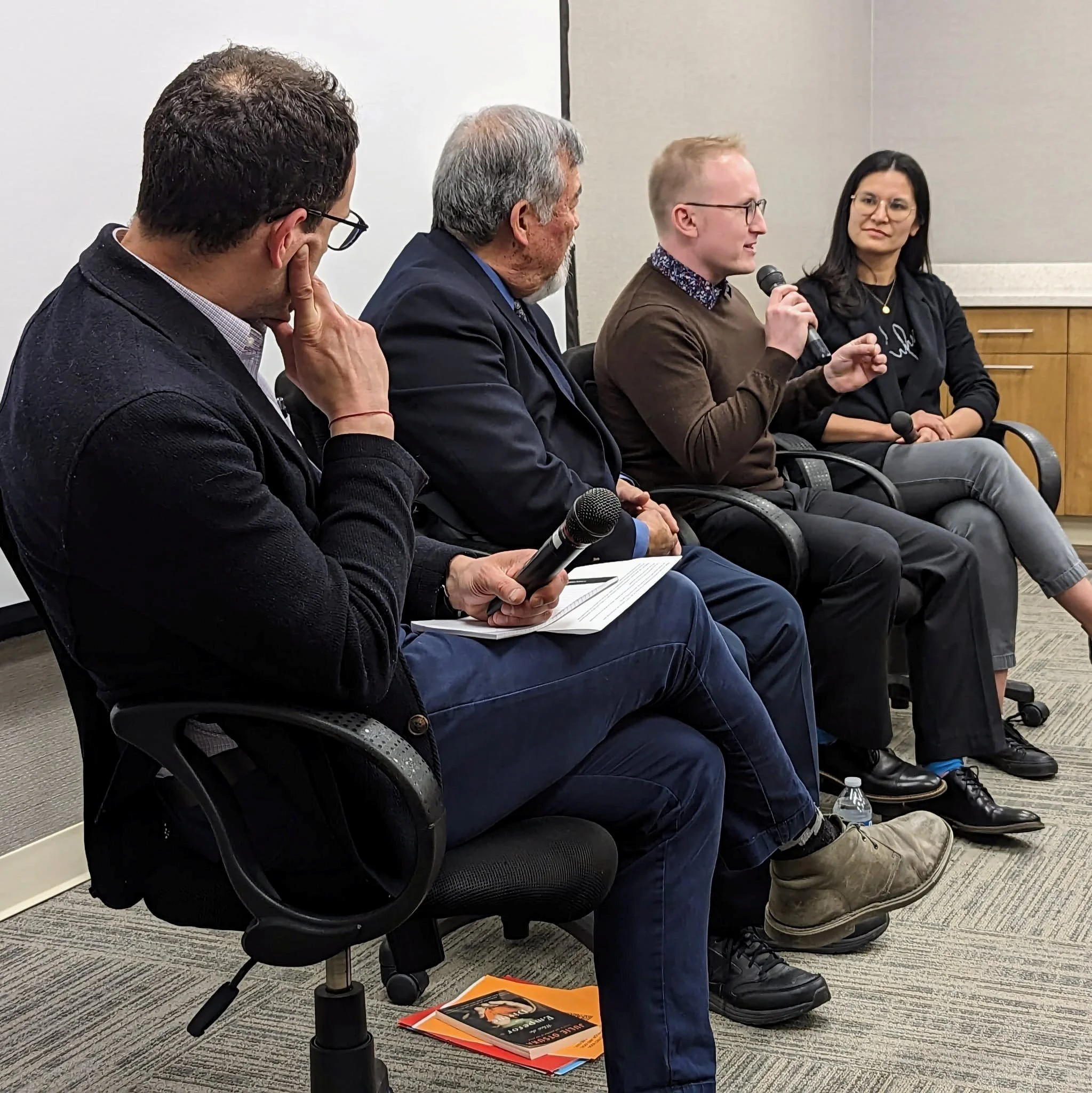
Presentations and workshops connect LGBTQ+ history to broader themes already found throughout the curriculum, including civil rights, scientific discovery, citizenship, public health, and social change.
Programs are designed to complement—not replace—the work educators are already doing in the classroom.
Custom Services
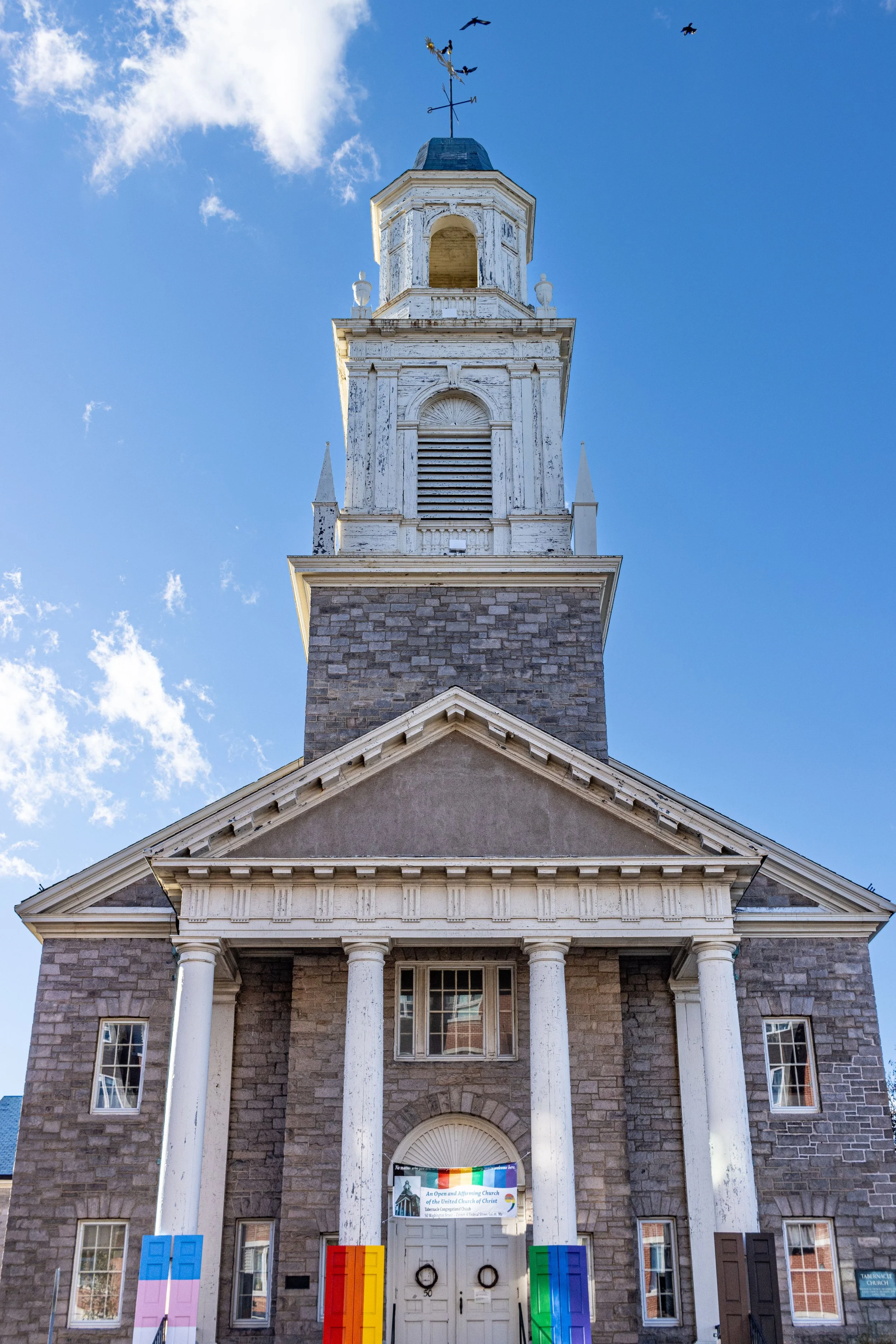
Schools, districts, and educational organizations sometimes seek programming tailored to local history, curriculum goals, or community partnerships. Expanding Horizons develops custom educational resources, localized exhibits, and specialized presentations to support those objectives.
Why It Matters
Students deserve opportunities to encounter history as historians do: by asking questions, weighing evidence, and considering multiple perspectives.
LGBTQ+ history is not a separate chapter of history. It intersects with the histories of science, medicine, government, literature, education, public health, and social movements. Integrating these stories helps students better understand both historical complexity and the diverse experiences that have shaped society.
Learning these histories also encourages empathy, critical thinking, media literacy, and historical inquiry. These are all skills that extend well beyond any single lesson.
Featured Learning Experiences

Through Science to Justice
Explore the lives of LGBTQ+ scientists, physicians, engineers, inventors, and mathematicians whose discoveries changed the world while challenging assumptions about who contributes to STEM.
Flyover Country
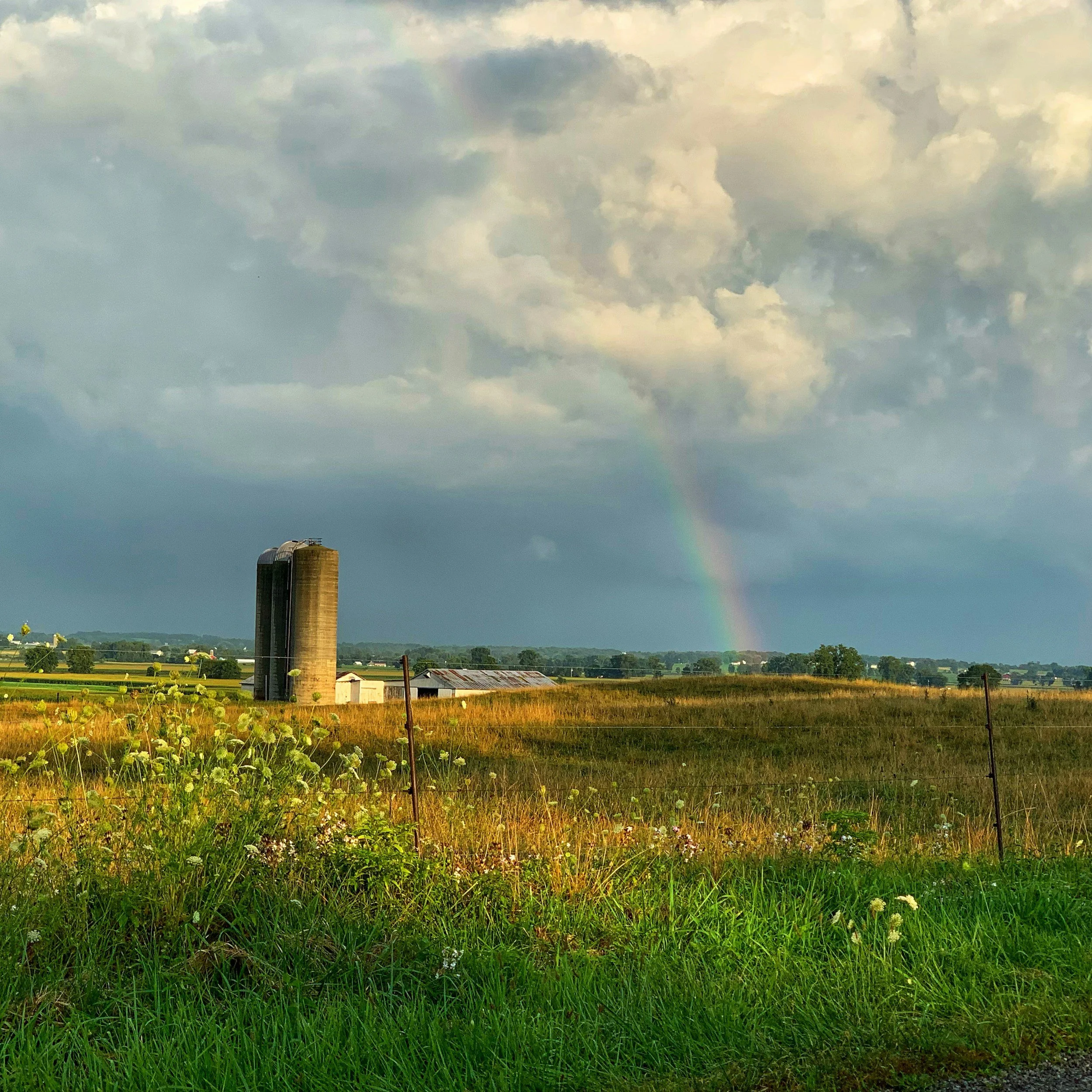
Introduce students to LGBTQ+ history rooted in the American Midwest, demonstrating that important stories are found not only in national landmarks but also in communities much like their own.
The Stonewall Inn
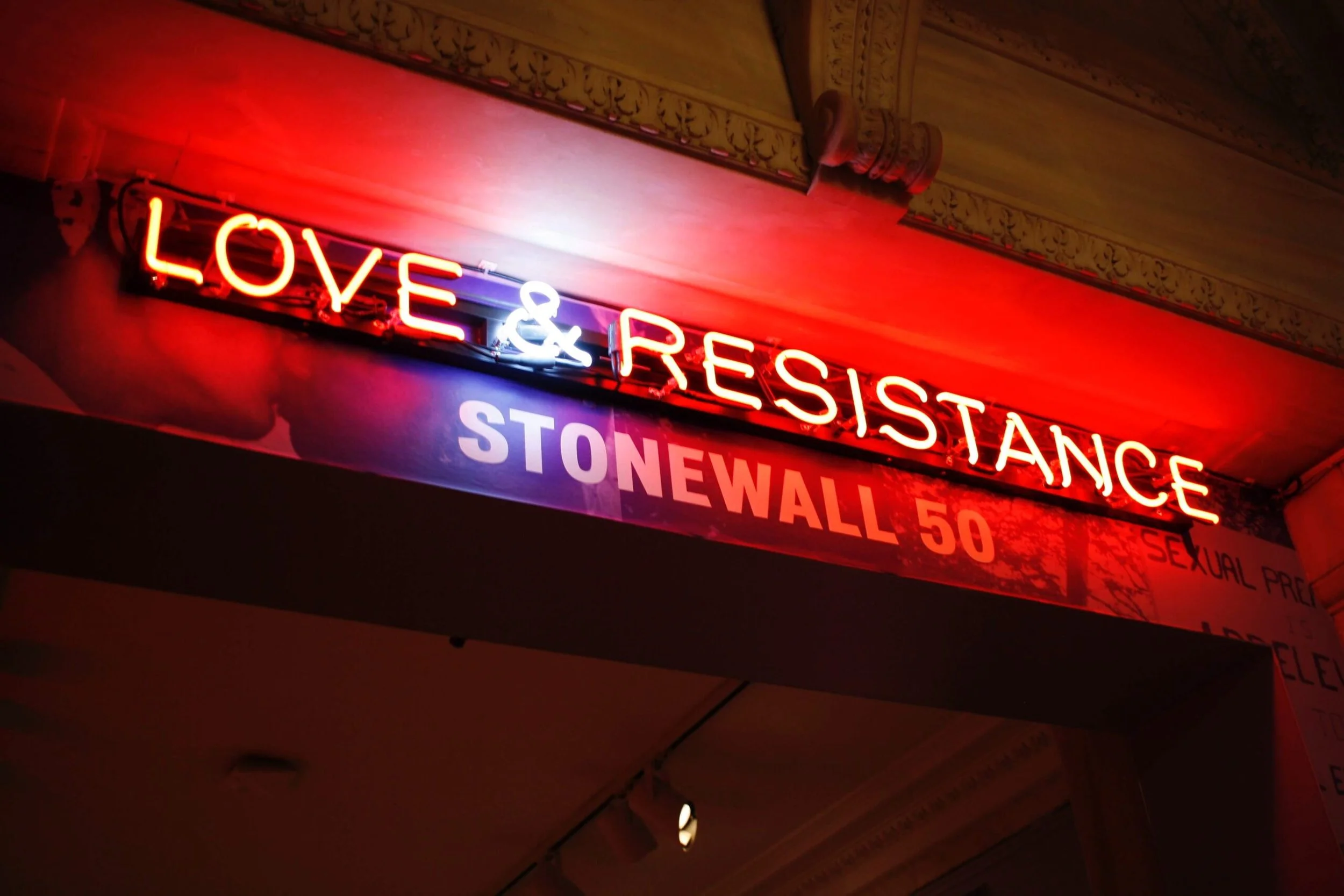
Examine the events of June 1969 through historical evidence, personal narratives, and the broader context of LGBTQ+ life before and after the Stonewall uprising.
Why Expanding Horizons
Expanding Horizons approaches public history through the lens of education.
Each exhibit begins with research questions rather than predetermined conclusions. Historical evidence is carefully curated into learning experiences that encourage students to ask thoughtful questions, make meaningful connections, and understand why history matters today.
This approach reflects the work of museums, archives, and educators alike: helping learners become active participants in historical inquiry rather than passive recipients of information.
Supporting Educators
Expanding Horizons is designed to complement the work educators are already doing, not add to it.
Many exhibits include educator guides, discussion prompts, and student activities that help teachers extend learning before and after a visit. Programs can also be adapted to align with course objectives in U.S. history, world history, civics, government, social studies, STEM, and related disciplines.
Rather than asking students to memorize isolated facts, these learning experiences encourage them to ask historical questions, evaluate evidence, recognize change over time, and connect individual stories to broader historical developments. The goal is to foster the habits of mind that define strong historical thinking: curiosity, critical inquiry, empathy, and evidence-based reasoning.
Whether you're planning a single classroom visit, a school-wide event, or an interdisciplinary learning experience, Expanding Horizons works collaboratively with educators to ensure programming supports your instructional goals and fits the needs of your students.


Frequently Asked Questions
-
Yes.
Many schools choose to display an exhibit independently, while others pair it with a classroom presentation or assembly.
-
Most exhibits consist of seven to eleven retractable banners. Plan approximately three linear feet per banner for comfortable viewing.
-
Most schools host exhibits for approximately three weeks, although longer engagements can often be accommodated.
-
Yes.
Speaking programs and curriculum design are adapted to the developmental level of the audience and the educational goals of the host school.
There is no explicit sexual imagery on any exhibit. Some exhibits, like Blossom & Wilt and The Power Here Is You, feature frank descriptions of violence and illness that are more appropriate for older middle schoolers and up.
Consult our Content Warnings & Age Guidance page for more information.
-
Yes.
Teacher guides and student materials are available for many exhibits to help educators extend learning before and after the visit.
-
Absolutely.
Programs can complement courses in U.S. history, world history, civics, government, social studies, health, and STEM.
Bring LGBTQ+ History Into the Classroom
Whether you're planning a school-wide program, enriching classroom instruction, or creating meaningful learning opportunities during LGBTQ+ History Month, Expanding Horizons can help.
Let’s Schedule a Discovery Call →