
5 Essential Books on Queer History That Belong in Every Library
As a public historian, I spend a lot of time being asked some version of the same question: where do I even start? Librarians and educators building out a queer history collection face an embarrassment of riches — and a real challenge in knowing which five or ten titles will do the most work for the broadest range of patrons.
Here's my curated answer. These five books don't just inform. Together, they cover the breadth of queer history: foundational American history, the development of transgender identity, a global and pre-modern perspective, intersectional theory, and the AIDS crisis that reshaped the community forever. If your shelf has room for five books this year, start here.
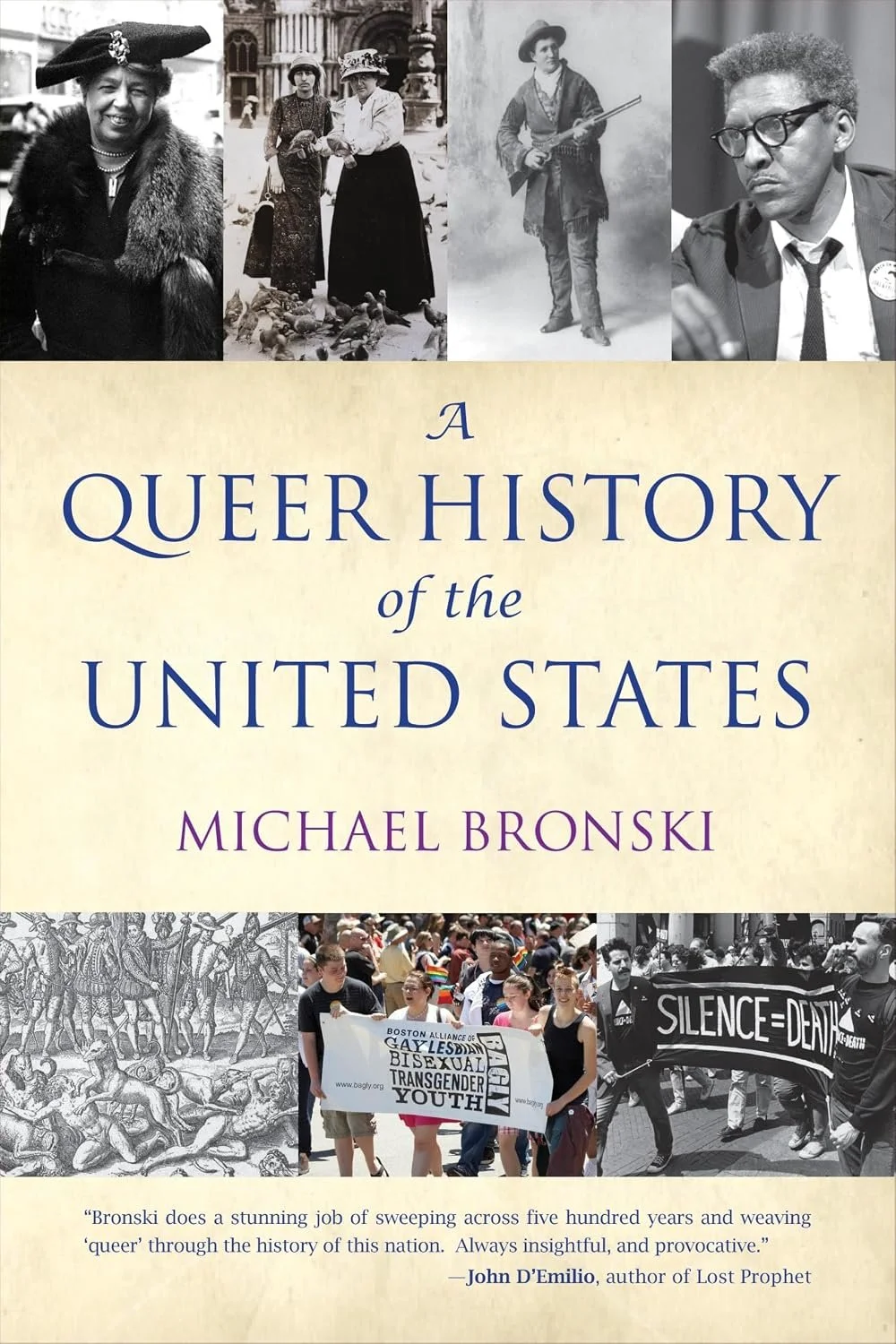
1. A Queer History of the United States by Michael Bronski
This is the book I recommend first, because it does something most queer history surveys don't: it argues that same-sex desire and gender nonconformity didn't just exist alongside American history — they shaped it. Spanning 1492 to the 1990s, Bronski's sweeping chronicle draws on primary sources to challenge the "who's who" approach to queer history in favor of something more structurally honest. It's the ideal anchor text for any general collection.
2. Transgender History: The Roots of Today's Revolution by Susan Stryker
Stryker's foundational text traces how disparate groups of people — those accessing hormones, doing drag, or otherwise living outside the gender binary — coalesced into the social and political category we now call transgender. It's essential reading for understanding that "transgender" as an identity is a relatively modern social development, even though gender variance itself is ancient. No collection focused on trans history is complete without it.
3. Before We Were Trans by Kit Heyam
Where Stryker focuses on the mid-twentieth century forward, Heyam goes global and ancient. This radically inclusive history examines gender nonconformity from antiquity to the present, across cultures that never operated within a Western binary framework to begin with. It's a genuinely fresh corrective to the assumption that queer and trans history began somewhere in 20th-century America — and it's an excellent pairing with Stryker for a fuller picture.
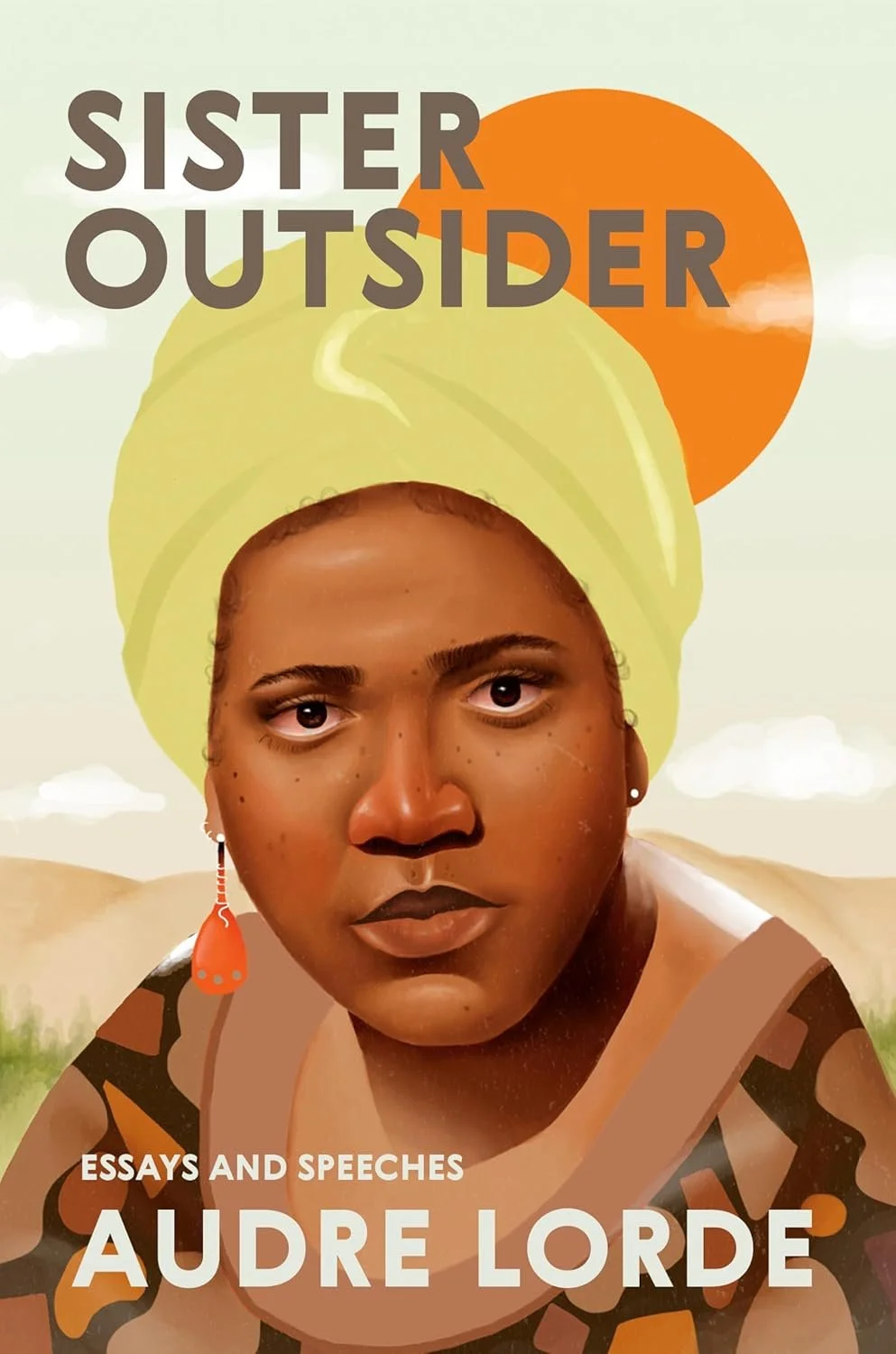
4. Sister Outsider by Audre Lorde
No queer history collection is complete without Lorde. This collection of essays and speeches takes on sexism, racism, homophobia, and class with a clarity and lyricism that has only grown more resonant with time. Lorde's insistence that difference can be a source of power rather than a liability remains one of the most important intellectual contributions to queer thought — and to American letters more broadly.

5. How to Survive a Plague by David France
The AIDS crisis is not a footnote in queer history — it is one of its most defining chapters, and France's account of the grassroots activists who turned a death sentence into a manageable disease is essential reading. It's an unflinching, deeply human record of what a community does when institutions fail it, and it belongs on every library shelf that takes queer history seriously.
A Living Collection
Books preserve history. Exhibits activate it. If your library or institution is building out programming around queer history this year, consider pairing your collection with a traveling exhibit that brings these stories into three-dimensional, communal space — the kind of experience that turns a reading list into a shared conversation.
Complement your collection with a traveling exhibit. Explore the full Expanding Horizons catalog at ExpandingHorizons.LGBT/exhibits, and reach out.
