
The Librarians Who Risked Everything to Preserve Queer History
You think of a library, you think of a quiet, neutral space—orderly shelves, hushed voices, and the promise of free access to information. But libraries are anything but neutral; they are and have been battlegrounds. And the librarians and archivists who choose to preserve queer stories have often done so at great personal and professional risk.
Long before “LGBTQ+ history preservation” became its own thing, dedicated individuals were already guarding against erasure: They collected materials others deemed dangerous, they safeguarded stories society wanted forgotten, and they understood that when history disappears, so do the people who see themselves reflected in it.
When They Burn Books, Next, They Erase Lives
On May 6, 1933, a crowd of Nazi students, SA members, and onlookers gathered outside Berlin’s Institut für Sexualwissenschaft—the Institute for Sexual Research. Founded in 1919 by physician and sexologist Magnus Hirschfeld, the Institute was a beacon of progressive scholarship. It housed over 20,000 books and journals, thousands of photographs, and extensive case files documenting human sexuality, including groundbreaking research on homosexuality and transgender ways of being. The Institute offered medical consultations, performed some of the first gender-affirming surgeries, and provided a haven for people whose lives were otherwise criminalized.
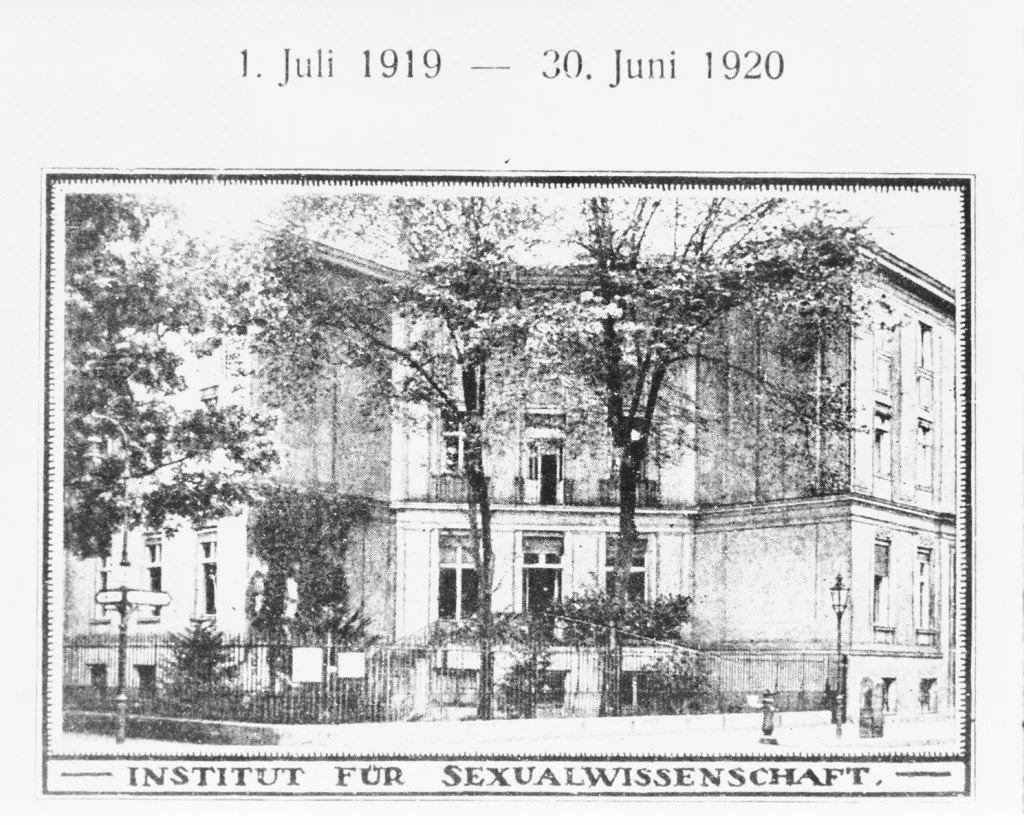
Magnus Hirschfeld Society, US Holocaust Memorial Museum
The Nazis called it degenerate. They stormed the building, looted its archives, and carried away truckloads of irreplaceable materials. Four days later, those books—along with works by Jewish, socialist, and other “undesirable” authors—were thrown into bonfires across Germany. The Institute’s collection, representing decades of research and countless queer lives, was reduced to ash.
Magnus Hirschfeld, who was lecturing abroad at the time, never returned to Germany. He died in exile having witnessed the destruction of his life’s work. The burning of the Institute’s collections wasn’t just an attack on knowledge—it was an erasing of queer people from their very existence.
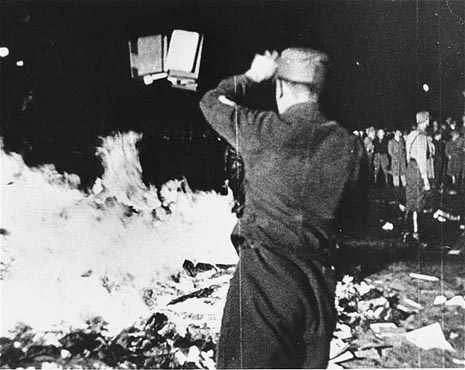
May 6th book burning after looting of Hirschfeld’s Institute
Saving What Others Wanted Destroyed
The lesson from 1933 echoes across decades: preservation is not a passive act. It is a form of resistance.
For much of the 20th century, mainstream libraries either excluded LGBTQ+ materials or hid them behind restrictive policies. Queer people searching for themselves in books, newspapers, or archives often came up empty-handed. That absence wasn’t accidental—it was the result of censorship, stigma, and fear.
In response, independent queer archives began to emerge, often powered by volunteers who understood that waiting for institutional approval meant losing irreplaceable history. One such figure was Paul Fasana, the late chief archivist for the Stonewall National Museum & Archives in Fort Lauderdale, Florida. Fasana dedicated years of his life to preserving thousands of LGBTQ+ books, documents, and artifacts—many of which might not exist today without his intervention.
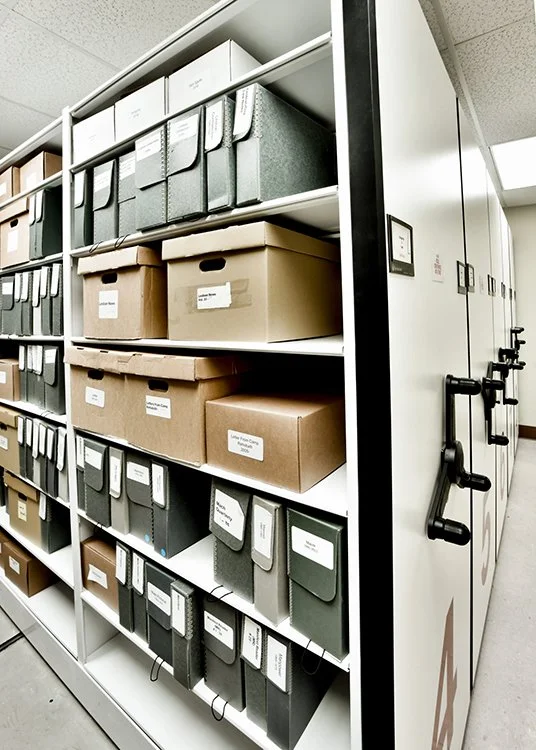
Fasana-Graham Archive at Stonewall National Museum, Archives, & Library
Founded in 1973, the Stonewall National Museum & Archives grew from a grassroots collection into one of the nation’s most significant repositories of queer history. Today, its holdings include more than 30,000 books, along with films, personal papers, and historical artifacts—some of which are banned in certain public schools. Yet even now, the institution faces a hostile political climate and funding crises that threaten its future.
The parallel is impossible to ignore. In 1933, fascists burned books to eliminate queer knowledge. In 2026, activists still fight to keep LGBTQ+ materials on library shelves. The tactics have evolved, but the goal remains the same: erasure. The response must remain the same, too: determined, unapologetic preservation.
The lesson is stark, preservation is never a one-time victory. It is an ongoing act of resistance.
Librarians on the Front Lines Today
The threats faced by queer archives are not relics of the past. They are happening now, often in plain sight.
The 2025 documentary The Librarians shines a spotlight on modern-day public librarians who have become unexpected first responders in the fight against censorship. In states across the country, librarians face organized movements to block access to books with LGBTQ+ themes as well as harassment, death threats, and public smear campaigns.
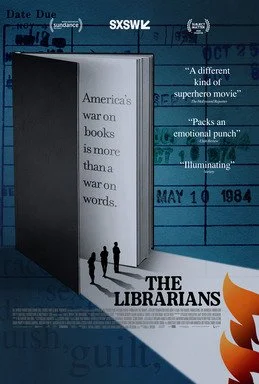
The Librarians (2025), dir.
Kim A. Snyder
One librarian featured in the film, Amanda Jones of Louisiana, became a target after defending inclusive collections against book bans pushed by groups like Moms for Liberty. Her experience underscores a reality many library professionals now face: protecting queer materials can mean risking one’s safety and livelihood.
These librarians are not “pushing an agenda,” as critics often claim. They are defending the First Amendment, intellectual freedom, and the idea that public libraries belong to everyone. In doing so, they continue a long tradition of library advocacy rooted in democratic values.
Architects of Queer Archives
Some of the most influential queer archives in the United States exist because individuals refused to accept silence.
Barbara Gittings and Kay Tobin Lahusen, pioneers of the early gay rights movement, spent years collecting newsletters, photographs, protest materials, and ephemera both before and after Stonewall. Their work laid the foundation for one of the most important LGBTQ+ collections at the New York Public Library—ensuring that the movement’s history would not be flattened or sanitized.
Jim Kepner, after repeatedly failing to find information about gay life in traditional libraries, decided to build his own. His efforts eventually became the ONE Archives, now housed at the University of Southern California and recognized as the largest LGBTQ+ repository in the world. Kepner understood that archives do more than store documents—they validate lives.
A Milwaukee Example: Preserving Local History
Queer history preservation is not only happening on the coasts. I live in Milwaukee, so the University of Wisconsin–Milwaukee Archives plays a vital role in documenting my local LGBTQ+ history: from liberation movements and private trans identities to AIDS activism and the push for marriage equality.
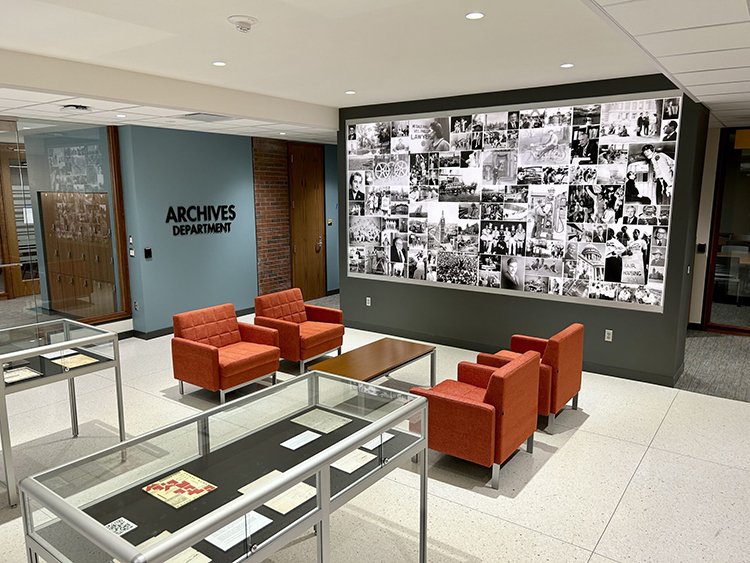
UWM’s digital collections include materials from ACT UP Milwaukee, the AIDS Resource Center of Wisconsin, the Milwaukee Transgender Oral History Project, and oral histories documenting decades of love, loss, resistance, and care. These collections prove an essential truth: national movements are built from local stories, and libraries are often the only institutions equipped to protect them.
For community members, students, and researchers, access to these archives is more than academic. It is deeply personal.
Why This Work Matters
The work of librarians and archivists who preserve queer history extends far beyond organizing shelves or digitizing documents; it is a vital act of cultural preservation and resistance. By countering erasure, these professionals provide tangible evidence that queer people have always existed and resisted, standing firm against movements that attempt to rewrite or eliminate that history. This preservation can quite literally save lives, offering life-affirming representation to LGBTQ+ youth in unsupportive environments and bridging the gap between isolation and hope. Ultimately, by defending collections against book bans and political pressure, these individuals protect not only the integrity of queer stories but the foundations of democracy itself.
Libraries as Living Guardians of Memory
Libraries are not passive storehouses of the past. They are living institutions shaped by the courage of those who choose what is worth preserving. Every LGBTQ+ archive exists because someone believed that these stories mattered enough to fight for them.
As debates over censorship and inclusion intensify, the role of libraries as historical guardians has never been more visible—or more vital. Supporting libraries means supporting the preservation of truth, complexity, and humanity.
At Expanding Horizons, we believe this history belongs in the open—shared, discussed, and brought directly into communities through research-driven traveling exhibits.
Explore our traveling exhibits at ExpandingHorizons.LGBT/exhibits and discover how LGBTQ+ history can continue to educate, inspire, and empower—wherever people gather.

Blossom & Wilt, Queerness under Fascism exhibit
